
Orthopedic Clinic, Knee Hyaluronic Acid Injections and Physical Therapy | KIN Orthopedic Clinic, Lat Phrao and Bearing

Orthopedic Appointment | Free Consultation
KIN Wellness
Lat Phrao 71 (Nak Niwat 20)


KIN
Sukhumvit 107 (Bearing Soi 10)
Treatable Diseases and Conditions — 15 Groups Covering Bones, Joints, Muscles and Tendons
KIN Orthopedic Clinic provides treatment for pain and musculoskeletal disorders across 15 condition groups through a rehabilitation medicine team working withlicensed physical therapists
| Disease / Condition | Details |
|---|---|
| knee osteoarthritis | Worn cartilage, knee pain, crepitus and difficulty bending the knee; common among people aged 40 and over |
| herniated disc with nerve compression | Radiating leg pain and numbness caused by a degenerative disc compressing a nerve root |
| office syndrome | Neck, shoulder, upper-back and back pain caused by repetitive posture, prolonged sitting and computer use |
| Back and Lower-Back Pain | Inflamed back muscles, spinal degeneration, heavy lifting and poor posture |
| Neck and Shoulder Pain | Tight neck muscles, torticollis, frozen shoulder and shoulder-joint inflammation |
| Plantar Fasciitis | Inflammation of the plantar fascia, heel pain with the first steps, and pain after prolonged standing or walking |
| Trigger Finger and Frozen Shoulder | Inflamed finger tendons, stiff shoulder joint and difficulty raising the arm |
| Tendinitis | Tendinitis of the wrist, elbow, ankle or hip caused by repetitive use |
| Sports Injuries | Ankle sprains, muscle tears, anterior cruciate ligament injuries and improper exercise technique |
| Gout and Hand Numbness | Joint inflammation caused by high uric acid and hand numbness caused by nerve compression |
Knee Osteoarthritis — Causes, Symptoms and Warning Signs
Knee osteoarthritis is common among adults aged 50 and over, but lifestyle factors are causing it to occur earlier. It results from wear of the joint cartilage, which cannot be fully restored. However, progression and pain can be reduced through knee Hyaluronic Acid injections and physical therapy.
| Cause | Details |
|---|---|
| Age 40 and Over | Age-related knee degeneration may begin around age 40 and is more common after age 50 |
| Overweight | Excess body weight increases the load on the knees and accelerates degeneration |
| Heavy or Repetitive Use | Cross-legged sitting, kneeling, frequent stair use and prolonged standing or walking |
| Genetics / Associated Diseases | Rheumatoid arthritis, gout, infectious arthritis and endocrine disorders |
| Accidents / Sports | Joint or tendon injuries caused by accidents orsports |
6 Warning Signs that indicate you should see a doctor: (1) crepitus in the knee, (2) inability to fully bend the knee, (3) stiffness and difficulty straightening the knee, (4) pain inside the knee joint, (5) easy fatigue of the muscles around the knee, and (6) sharp pain when walking, standing up, sitting down or descending stairs. If any symptom occurs, schedule an assessment before the condition worsens.
Knee Hyaluronic Acid Injection — Reduce Pain and Friction Without Surgery
A knee Hyaluronic Acid injection places Hyaluronic Acid directly into the knee joint to improve flexibility and restore synovial-fluid viscosity closer to normal. It improves shock absorption, reduces pain, inflammation and friction, and generally has no serious side effects. Mild swelling or redness may occur and usually resolves on its own. Normal daily activities can continue after the injection, but excessive walking should be avoided for 2–3 days.
Orthopedic Treatment Equipment and Technology
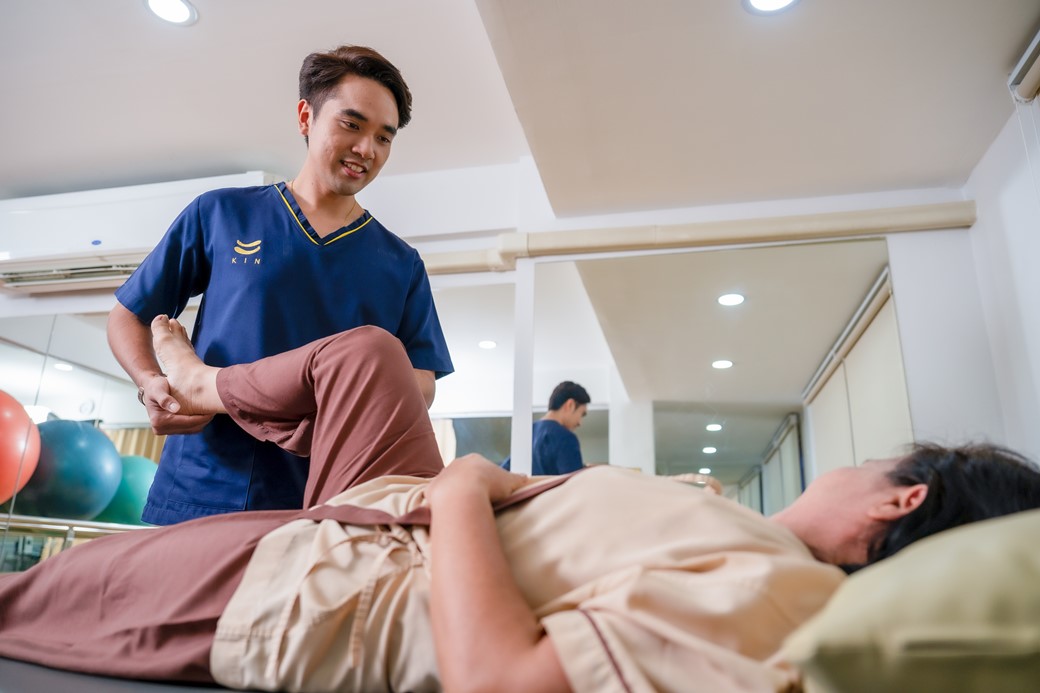
KIN providesphysical therapy6 main types of modern physical therapy equipment, used together with knee Hyaluronic Acid injections to treat chronic pain without surgery
| Equipment | Treatment Benefits |
|---|---|
| Shockwave Therapy | Shockwaves treat chronic pain, tendinitis, plantar fasciitis and frozen shoulder, while stimulating collagen production |
| Therapeutic Ultrasound | Sound waves reduce pain and inflammation and accelerate recovery of tissues more than 5 cm deep |
| Laser Therapy | Laser treatment reduces pain and swelling and accelerates tissue repair at the cellular level |
| Electrical Stimulation | Electrical stimulation reduces pain and strengthens muscles using TENS/IFC/EMS |
| Cervical and Lumbar Traction | Reduces pressure on nerves and the spine and stretches muscles |
| Knee Hyaluronic Acid Injection (HA) | Hyaluronic Acid improves joint lubrication, reduces friction and pain, and increases mobility |
Comparison: KIN Orthopedic Clinic vs General Clinics vs Hospitals
KIN stands out for its comprehensive equipment, continuous physical therapy and integrated services ranging from treatment to Nursing Home and HomeCare
| Criteria | KIN Orthopedic Clinic | General Clinic | Hospital |
|---|---|---|---|
| Knee Hyaluronic Acid Injection | ✓ HA | Available at some locations | ✓ (Higher cost) |
| Shockwave | ✓ | Available at some locations | ✓ |
| Traditional Chinese Medicine | ✓ Acupuncture | ✗ | Available at some locations |
| Hydrotherapy | ✓ Reduces weight-bearing pressure by 80% | ✗ | ✗ |
| Accommodation Nursing Home | ✓ | ✗ | ✗ |
| HomeCare | ✓ Home Physical Therapy | ✗ | ✗ |
Service Process — 4 Steps
Begin with a free appointment. A physician assesses the condition for 15–30 minutes, develops an individualized treatment plan, and treatment can begin immediately.
| Step | Topic | Details |
|---|---|---|
| 1 | Free Appointment | Call 095-767-6307 or LINE @Kinrehab |
| 2 | Condition Assessment | A physician and physical therapist assess the condition; X-ray if necessary, taking 15–30 minutes |
| 3 | Treatment Planning | Select treatment based on the condition: HA injection / Shockwave / physical therapy / acupuncture |
| 4 | Treatment and Follow-up | Begin treatment immediately, evaluate outcomes at every visit and adjust the plan according to progress |
Service Branches and Promotions
KIN Orthopedic Clinic has 2 branches: KIN Wellness Lat Phrao 71 (Nak Niwat Soi 20, Tel. 095-767-6307) and KIN Bearing (Sukhumvit 107, Bearing Soi 10, Tel. 065-909-2599). Viewthe latest physical therapy promotions
Frequently Asked Questions — KIN Orthopedic Clinic
Answered by the KIN rehabilitation medicine and physical therapy team
What conditions does KIN Orthopedic Clinic treat?
15 condition groups: knee osteoarthritis, muscle conditions, herniated disc with nerve compression office syndrome plantar fasciitis, tendon disorders, back pain, lower-back pain, shoulder pain, neck pain, trigger finger, frozen shoulder, gout, hand numbness Sports Injuries withphysical therapycomprehensive care
What is a knee Hyaluronic Acid injection? Is it painful?
It is an injection of Hyaluronic Acid into the knee joint to improve lubrication, reduce friction, pain and inflammation. There is only mild discomfort during injection and no serious side effects are expected. Mild swelling or redness may occur and usually resolves on its own. Normal activities can continue, but excessive walking should be avoided for 2–3 days.
When should knee pain be evaluated by a doctor?
If you experience knee crepitus, limited bending, stiffness, pain inside the joint, easy fatigue around the knee, or sharp pain while walking, standing up, sitting down or descending stairs, you should be assessed before the condition worsens.
What treatment equipment is available?
6 types: Shockwave, Ultrasound, Laser, Electrical Stimulation, Traction and knee Hyaluronic Acid injection, together withphysical therapyindividualized physical therapy
How many KIN Orthopedic Clinic branches are there?
2 branches: KIN Wellness Lat Phrao 71 (Nak Niwat Soi 20, Tel. 095-767-6307) and KIN Bearing (Sukhumvit 107, Soi 10, Tel. 065-909-2599)
Can office syndrome be treated?
Yes. Office syndrome directly involves the musculoskeletal system and can be treated with Shockwave, laser, PMS muscle stretching, cervical and lumbar Traction, and posture training to prevent recurrence. Viewthe office syndrome course
Is home physical therapy (HomeCare) available?
Yes. KIN HomeCare physical therapy at home starts from THB 1,800 per session in Bangkok and surrounding areas. Call 061-881-9399
How can I make an orthopedic appointment at KIN?
Call 095-767-6307 (KIN Wellness Lat Phrao) or 065-909-2599 (KIN Bearing), or contact LINE @Kinrehab for a free assessment and appointment.
Branches: KIN Wellness · Lat Phrao · Bearing · Ratchaphruek · Pattaya
Promotions: Physical Therapy Promotions · Home Physical Therapy · Rehabilitation Promotions · Reviews · Contact
Content by: KIN rehabilitation medicine team and licensed physical therapists | Reviewed by Dr. Thongchai Chokthanomsap, Chief Executive Officer | Updated: March 2026
This information is for general education and does not replace medical diagnosis. Prices are subject to change; please inquire at the branch. | Contact Us