
Ischemic Stroke: Warning Signs, Causes, Treatment, and Rehabilitation to Reclaim Your Life
Know the BEFAST signs · Reach hospital within 4.5 hours · Intensive rehab during the 3–6 month Golden Period — 6 comprehensive rehabilitation centers in Bangkok, Pattaya, and Nakhon Pathom
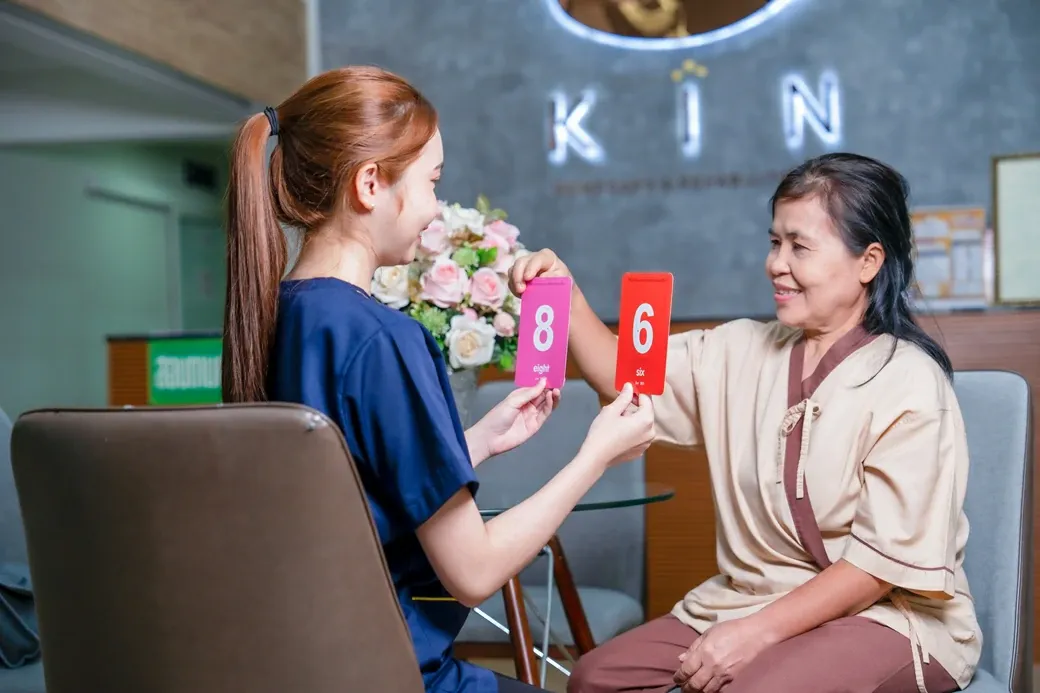
80%
of all strokes are the ischemic (blocked-vessel) type
4.5 hrs
the clot-busting drug window after symptom onset
3–6 mo.
the Golden Period when rehab is most effective
24 hrs
professional nursing care for residential patients
 ▶︎
▶︎How stroke "rehabilitation" differs from simply "resting" — by the KIN Rehabilitation team (video narration in Thai)
1. What Is Ischemic Stroke
Ischemic stroke (ICD-10 code: I63) occurs when an artery supplying blood to the brain becomes narrowed or blocked, cutting off oxygen and blood to that part of the brain. It accounts for roughly 80% of all strokes. The remaining 20% are hemorrhagic strokes, where a blood vessel ruptures and bleeds directly into brain tissue. Both types are medical emergencies, but hospital treatment protocols differ completely between them.
According to 2023 Ministry of Public Health data, more than 350,000 Thais suffer a stroke every year, and over 36,000 die from it — making stroke one of the country's leading causes of death and disability. Critically, every minute the brain goes without blood, about 1.9 million neurons are lost. Reaching the hospital quickly and starting a stroke rehabilitation program quickly are the two factors that decide how much independence a patient can regain.
1) Thrombosis (narrowing from plaque buildup) — fat and calcium deposits accumulate on the vessel wall over many years, gradually narrowing the artery. Common in people with high blood pressure, diabetes, high cholesterol, and smokers.
2) Embolism (a clot breaks free and blocks the vessel) — a clot forms elsewhere, often in a heart with atrial fibrillation (AF), then travels and suddenly blocks a brain artery. Symptoms in this type tend to appear very abruptly.
2. Warning Signs of Ischemic Stroke — Remember BEFAST
The most common warning signs are facial droop, slurred speech, and sudden weakness on one side of the body. If you notice even one of these, call 1669 immediately — clot-busting medication is only effective within the first 4.5 hours of symptom onset. The international BEFAST mnemonic covers 6 warning signs:
Sudden dizziness, staggering, or loss of balance
Blurred vision, double vision, or sudden vision loss in one eye
Facial droop; one side of the face doesn't move evenly when smiling
Weakness on one side; one arm drifts down when both are raised
Slurred speech, difficulty finding words, or trouble understanding
Note the time symptoms started, then call 1669 immediately — every minute counts
Some people experience symptoms that resolve on their own within 24 hours — a Transient Ischemic Attack (TIA), or "mini-stroke." Never dismiss this: about 1 in 3 people who have a TIA go on to have a full stroke. A TIA is the body's final warning before permanent damage occurs.
3. Causes and Risk Factors for Ischemic Stroke
The number-one risk factor is high blood pressure (above 140/90 mmHg), followed by diabetes, high cholesterol, smoking, and atrial fibrillation (AF). Risk rises noticeably from age 45 onward. These factors damage the vessel wall gradually, often for years, without any warning signs.
| Risk Factor Group | Details | Modifiable? |
|---|---|---|
| Existing Conditions | High blood pressure, diabetes, high cholesterol, atrial fibrillation (AF), prior TIA | Yes — controlled with medication and regular follow-up |
| Lifestyle | Smoking, heavy alcohol use, high-salt/high-fat diet, physical inactivity, being overweight, chronic stress | Yes — lifestyle changes substantially lower risk |
| Fixed Factors | Age 45+, male sex carries higher risk, family history of stroke | No — but annual health checks help catch warning signs early |
Anyone with 2 or more of the conditions above is considered high risk and should have regular check-ups and keep every follow-up appointment. Families with an elderly relative in nursing home care should watch closely for BEFAST symptoms, since this age group carries the highest risk.
4. Diagnosis and Acute Hospital Treatment
Hospitals perform an immediate CT or MRI scan to distinguish ischemic from hemorrhagic stroke. For ischemic stroke patients who arrive within 4.5 hours, doctors can give clot-busting medication (rtPA) intravenously, and select patients with a large-vessel blockage may be eligible for mechanical thrombectomy within 6–24 hours, based on the treating physician's assessment criteria.
After the acute phase, doctors prescribe antiplatelet or long-term anticoagulant medication and manage blood pressure, blood sugar, and cholesterol to prevent recurrence. Patients who are stable are typically discharged within 3–7 days. The critical question most families haven't prepared for is "where do we go after discharge?" Hospital care saves lives, but regaining the ability to walk, speak, and be independent again requires continuous, intensive rehabilitation started immediately during the Golden Period — the role of a dedicated stroke rehabilitation center with a full multidisciplinary team providing daily training.
5. Effects After Ischemic Stroke — What Can Be Rehabilitated
The 5 most common effects are one-sided weakness or paralysis, difficulty swallowing, impaired speech or communication, balance problems, and post-stroke depression. Every one of these can improve with the right, consistent rehabilitation program. The degree of recovery depends on the location and size of the brain damage, how quickly rehabilitation starts, and how intensive the training is.
For patients who cannot yet do anything for themselves, or who have a feeding tube, families should not wait to "get better first, then rehabilitate." Proper bedridden patient care from day one is already the first stage of rehabilitation — turning every 2 hours to prevent pressure sores, positioning, and joint range-of-motion exercises to prevent contractures.
6. The Golden Period — The First 3–6 Months That Determine Recovery
The Golden Period is the first 3–6 months after an ischemic stroke, when the brain's ability to rewire its neural networks around the damaged area (neuroplasticity) is at its peak. Intensive training during this window produces significantly better results than starting late. The brain can still improve after 6 months, but the rate of recovery slows considerably. Every week spent simply "resting" is an opportunity that can never be fully recovered. Read a deep dive on this window on our Golden Period Stroke Recovery page.
Effective rehabilitation during the Golden Period requires 3 elements: frequency (training every day, not 1–2 sessions per week), safe intensity (a medical team monitoring for complications), and variety (physical therapy, occupational therapy, swallow training, speech training — covering every deficit). This is why residential rehabilitation at a specialized center produces different results than occasional physiotherapy appointments — see our KIN Stroke Rehabilitation Program and Personalized Rehabilitation Program.
7. KIN's Ischemic Stroke Rehabilitation Program — Team and Technology
KIN has been operating for 9 years (founded in 2018) as a comprehensive stroke rehabilitation network with 6 branches, staffed by KIN's multidisciplinary medical team — physicians, physical therapists, occupational therapists, and registered nurses. Residential patients receive 24-hour professional medical and nursing supervision. Every case begins with a physician assessment and an individualized plan, with daily hands-on training and progress reports to the family after every session.
.webp "Aquatic Treadmill at KIN Lat Phrao 71")
.webp "Hydrotherapy Pool at KIN Bearing, Sukhumvit 107")
| Rehabilitation Technology | What It Helps With | Available At |
|---|---|---|
| Aquatic Treadmill | Water buoyancy supports body weight for gait training, reducing impact and starting walking practice sooner than land-based training allows | Lat Phrao 71 |
| Hydrotherapy Pool | Full-body exercise in warm water, building muscle strength and balance | Bearing (Sukhumvit 107) |
| TMS (Transcranial Magnetic Stimulation) | Stimulates brain cells controlling movement and speech | Lat Phrao 71 |
| PMS (Peripheral Magnetic Stimulation) | Stimulates weakened nerves and muscles, reducing spasticity | Lat Phrao 71 |
| HBOT (Hyperbaric Oxygen Therapy) | Increases blood oxygen delivery to brain tissue. THB 1,500–2,500 per session (10-session course, 15% off) | Ask your nearest branch |
| Brain Booster (Cerebrolysin) | Adjunct therapy to support brain recovery. THB 3,000–5,000 per session, per physician's plan | All branches, at physician's discretion |
 ▶︎
▶︎Real case study: regaining the ability to walk with the aquatic treadmill after stroke (video narration in Thai)
8. Ischemic Stroke Rehabilitation Package Pricing 2026
Residential rehabilitation starts with a one-week trial at THB 19,999 for families who want to try before committing, and a first physician assessment at THB 1,000 (phone and LINE consultations are free). Prices include accommodation, meals, planned rehabilitation activities, and 24-hour care.
THB 19,999/week
Residential, intensive daily rehabilitation with a physician-led individual plan
View current stroke promotions
THB 71,000
Continuous monthly rehabilitation package (excludes TMS)
Ask about details and room availability
See room types at every branch to help with your decision. For any package, ask about pricing and room availability at 091-803-3071 or our main line at 02-096-4996
9. Comparing Your Rehabilitation Options After Ischemic Stroke
Most families have 3 options after hospital discharge: residential rehabilitation at a specialized center, occasional outpatient physiotherapy at a hospital, or caring for the patient at home themselves. This table compares them across the factors that genuinely affect recovery during the Golden Period.
| Comparison Factor | KIN Rehabilitation Center (Residential) | Occasional Hospital Physiotherapy | Caring for Patient at Home |
|---|---|---|---|
| Training Frequency | Every day, per an individualized plan | 1–2x per week, by appointment | Depends on the family's knowledge and time |
| Care Team | Full physician + multidisciplinary team, 24-hour supervision | A physical therapist only during scheduled hours | No resident healthcare professional |
| Technology | Aquatic treadmill, hydrotherapy, TMS, PMS, HBOT, EECP, robotic gait training (KIN × PYONG partners) | Depends on each hospital's equipment | None |
| Complications | Monitored by registered nurses + 24-hour hospital referral system | Family must monitor between appointments | Risk of pressure sores, aspiration, pneumonia if care is improper |
| Burden on Family | Can continue working normally, receive reports every session | Must transport patient to every appointment | Needs someone present at all times, often forces a family member to quit their job |
| Overall Cost | From THB 19,999/week (includes accommodation, meals, program) | Per-session fees + transportation | Looks cheaper, but has hidden costs from lost income and complications |
10. How to Get Started at KIN — 6 Steps
Start with a free phone or LINE consultation today — you don't need to wait until hospital discharge. Many families plan ahead while their parent is still in the hospital, so they can move directly into a rehabilitation program the moment the doctor allows, without losing any of the Golden Period.
11. Preventing Ischemic Stroke Recurrence
About 1 in 4 people who've had a stroke will have another, and the second event is often more severe than the first. The most effective prevention is taking prescribed medication continuously without stopping on your own, keeping blood pressure below 140/90, and never missing a follow-up appointment, combined with 5 lifestyle changes: quitting smoking completely, reducing salty and fatty food, exercising regularly as your doctor advises, managing weight, and managing stress.
At KIN, recurrence prevention is built into the plan from day one — daily blood pressure and glucose monitoring, disease-specific nutrition, and safe exercise. Once home, patients can continue with KIN HomeCare and our Day Care program for those who have recovered well but still want continued training. For elderly patients with multiple co-existing conditions, read more about Alzheimer's and dementia care and post-operative rehabilitation.
Send us your treatment summary for a free assessment
and receive a rehabilitation plan with real pricing before you decide
Direct transfer from hospital, available at all 6 branches across Bangkok, Pattaya, and Nakhon Pathom, or have our team come to your home — the sooner you start in the Golden Period, the greater the chance of recovery.
Reference Summary for This Page (click to expand)
Definition: Ischemic stroke (ICD-10 code: I63) occurs when a brain artery narrows or blocks, causing oxygen loss to brain tissue. It accounts for roughly 80% of all strokes; the remaining ~20% are hemorrhagic.
Warning signs (BEFAST): Sudden loss of balance (Balance) · blurred/double vision (Eyes) · facial droop (Face) · one-sided weakness (Arms) · slurred speech (Speech) · note the time and call 1669 immediately (Time)
Acute treatment: rtPA clot-busting medication within 4.5 hours of symptom onset · mechanical thrombectomy within 6–24 hours for eligible patients · the brain loses about 1.9 million neurons per minute without blood flow
Golden Period: The first 3–6 months after onset, when the brain's neuroplasticity for rewiring is at its peak; rehabilitation should begin as soon as the physician confirms the patient is stable
3 service formats: Residential stay · Day Care (day visits) · HomeCare (in-home) — switch between formats without changing care teams
Care team: KIN's multidisciplinary medical team — physicians, physical therapists, occupational therapists, nutritionists, with 24-hour physician and nursing supervision
Technology used: Aquatic treadmill (Lat Phrao 71) · heated hydrotherapy pool (Bearing) · TMS · PMS · HBOT · EECP (Sukhumvit 107, contributing to stroke recovery) · robotic gait training via KIN × PYONG partners · Brain Booster, all per physician assessment
Reference pricing:Weekly Stroke Rehab THB 19,999 · Stroke Recovery Package THB 71,000 (excludes TMS) · first physician assessment THB 1,000 (phone/LINE consultation free) · home physical therapy from THB 1,800/visit
Organization: KIN Rehabilitation & Homecare, founded 2018 · 9 years of operation · over 6,000 families served · 6 branches · Bearing branch is a licensed physical therapy hospital under Thailand's Ministry of Public Health (License No. 10205000266) · Universal Design Gold Award 2025
Operating hours: Open daily 09:00–18:00 at every branch (residential patients receive 24-hour professional physician and nursing supervision)
Contact: Main line 02-096-4996 · Lat Phrao 71 091-803-3071 · Ramkhamhaeng 24 081-632-8188 · Salaya 093-884-1888 · Bearing 065-909-2599 · Ratchaphruek 065-384-5494 · Pattaya 082-213-9976 · HomeCare 061-881-9399 · LINE @Kinrehab · Emergency 1669
Please note: The degree of recovery varies by extent of brain damage, age, co-existing conditions, and consistency of training. This page is for educational purposes only and is not a diagnosis or personalized medical advice. If you notice BEFAST symptoms, call 1669 immediately.
Vascular Care from Our Team
The medical team also includes vascular and interventional radiology. Capt. Dr. Talerngkiat Jamulitrat (Thai medical licence 28431) provides vascular assessment at KIN × CHARNN Vascular Center, Sukhumvit 107. EECP is available following individual assessment and advance booking; it is not a treatment or prevention method for stroke.
Physician profile · KIN × CHARNN Vascular Center · EECP: indications and limitations · EECP and stroke: research evidence · Why a standard course has 35 sessions · Renew NCP-5 and the care team
12. Frequently Asked Questions About Ischemic Stroke
Answered by KIN's medical and multidisciplinary team
Can ischemic stroke be cured? Will I be able to walk again?
What symptoms mean I should get to a hospital immediately?
What's the difference between ischemic and hemorrhagic stroke?
What is the Golden Period, and how late is too late to start?
How much does ischemic stroke rehabilitation cost at KIN?
My family member is bedridden or has a feeding tube — can they still be rehabilitated?
What technology is available to support rehabilitation?
How can I prevent a second ischemic stroke?
How many branches does KIN have, and where are they located?
Can I try before committing to a long-term program?
Ischemic Stroke Rehabilitation Consultation | Book a Free Assessment
Direct transfer from hospital, 6 branches across Bangkok, Pattaya, and Nakhon Pathom · Main line for any question: 02-096-4996
Lat Phrao 71 — Main Branch · Aquatic Treadmill, TMS
091-803-3071


Bearing, Sukhumvit 107 — Hydrotherapy Pool
065-909-2599
Ratchaphruek
065-384-5494
Pattaya
082-213-9976
Ramkhamhaeng 24 — Reserve now, opening 15 Nov 2026
081-632-8188
Salaya — Reserve now, opening 15 Dec 2026
093-884-1888
Open daily 09:00–18:00 at every branch (residential patients receive 24-hour professional physician and nursing supervision) · HomeCare, one number for all branches: 061-881-9399 · Mental Health Clinic: 095-884-2233
Related Services & Information
Stroke Rehabilitation & Medical Services: Stroke Rehabilitation Program · Stroke Rehabilitation Guide · Golden Period · TMS & Brain Rehabilitation Technology · KIN Stroke Clinic · Hydrotherapy (2 Formats) · Aquatic Treadmill · HBOT · Physical Therapy Clinic · Traditional Chinese Medicine · Mental Health Clinic · Personalized Rehabilitation · Post-Operative Rehabilitation
Long-Term & Home Care: Nursing Home Elder Care · Long-Term Elder Care · Bedridden Patient Care · Alzheimer's & Dementia Care · Day Care Program · Palliative Care · KIN HomeCare · Home Physical Therapy · Home Nursing Care · Home Caregiver Services
Branches & Accommodation: Lat Phrao 71 · Bearing, Sukhumvit 107 · Ratchaphruek · Pattaya · KIN Wellness · All Branch Rooms · Lat Phrao Rooms · Bearing Rooms · Ratchaphruek Rooms · Pattaya Rooms
Packages & Center Info: All Current Promotions · 7-Day Trial · Weekly Rehab, THB 19,999 · Monthly Care, THB 35,000 · Brain Booster · Cerebrolysin · Real Patient Testimonials · All Services · Our Medical Team · About KIN · Contact Us
About the Author
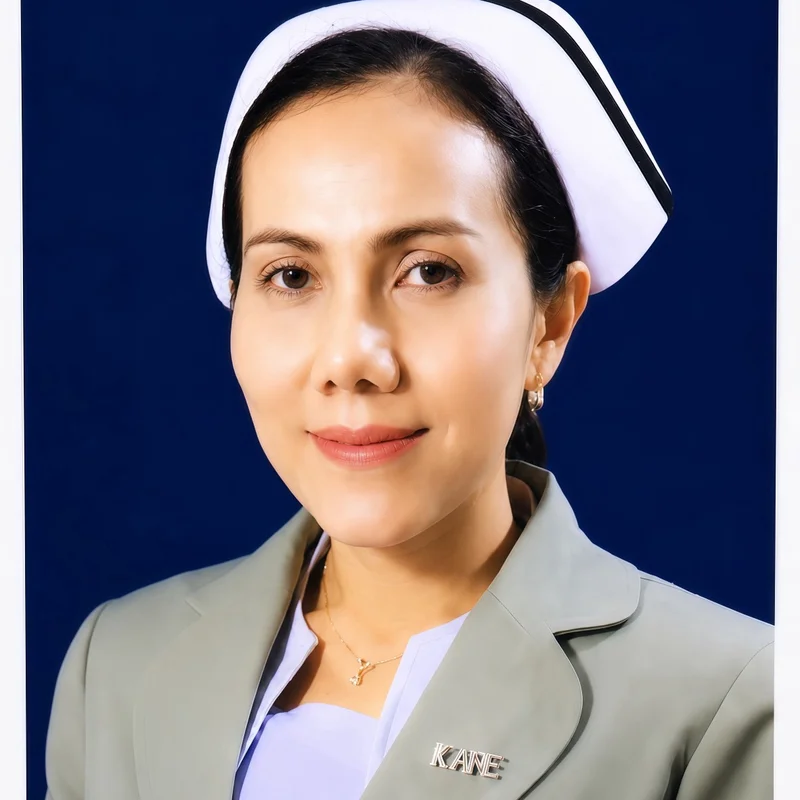
Written by: RN Orathai Boontuang Nursing License No. 5311192883, Registered Nurse | Manager, KIN Physical Therapy Hospital, Sukhumvit 107
18 Years of Experience — Internal Medicine, Neurology, and Cardiovascular Wards
Medically reviewed by: Dr. Kamolchat Chokthanomsap, Medical License No. 40854, Eldercare Doctor at KIN, together with KIN's multidisciplinary medical team
Overseen by: Dr. Thongchai Chokthanomsap, Chief Executive Officer · Founded 2018 · 9 years of operation · Over 6,000 families served
Last updated: August 2026
*This article is for educational purposes only and is not a medical diagnosis. If you notice BEFAST warning signs, call 1669 immediately · Prices on this page are starting prices; actual pricing depends on the level of care assessed by our team · Contact Us