
Stroke Physical Therapy — Systematic Rehabilitation for Gait, Balance and Daily Living
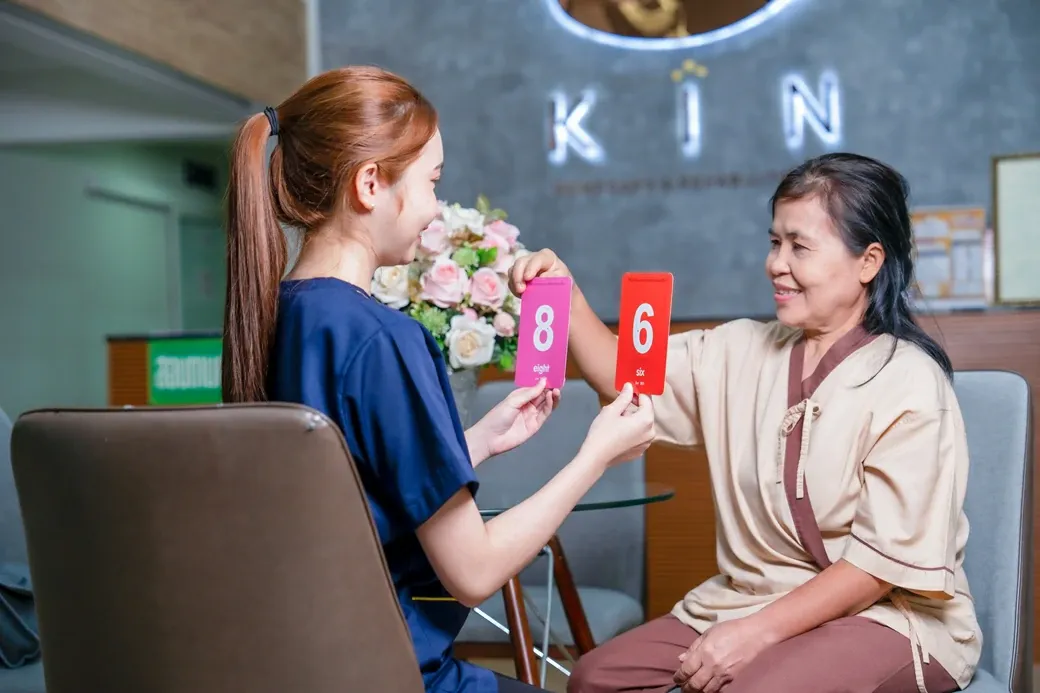
Stroke rehabilitationsystematic stroke rehabilitationis not only about gait training and should not be reduced to occasionalpost-stroke physical therapy sessions. In reality, stroke patients often experience several challenges at the same time, including impaired movement control, balance problems, muscle weakness, spasticity, swallowing difficulties, impaired arm and hand use, and reduced ability in daily living.
At KIN, we designStroke Physical Therapy to go beyond symptom-based treatment. Our systematic approach integratesspecialist rehabilitation medicine expertise modern rehabilitation technologies and multidisciplinary care, helping patients do more than simply move again — our goal is to help them return to a better daily life.
1. Why Families Choose KIN for Stroke Rehabilitation
Systematic Rehabilitation, Not Fragmented Care
KIN considers the whole stroke-recovery pathway — the brain, nervous system, movement, swallowing and daily living — so that each part of the rehabilitation plan works toward the same goals. Care does not end with isolatedphysical therapyfor one affected area.
A Multidisciplinary Team Plans Care Together
Each patient is cared for bya multidisciplinary medical team including neurologists, rehabilitation medicine physicians, physical therapists, occupational therapists, nurses and other relevant professionals, so rehabilitation addresses the patient’s actual needs comprehensively.
Multidimensional Rehabilitation Technology
KIN organizes rehabilitation into three main areas: brain and neurological recovery, movement and muscle rehabilitation, and targeted rehabilitation. This structure supports more precise care tailored to each patient.
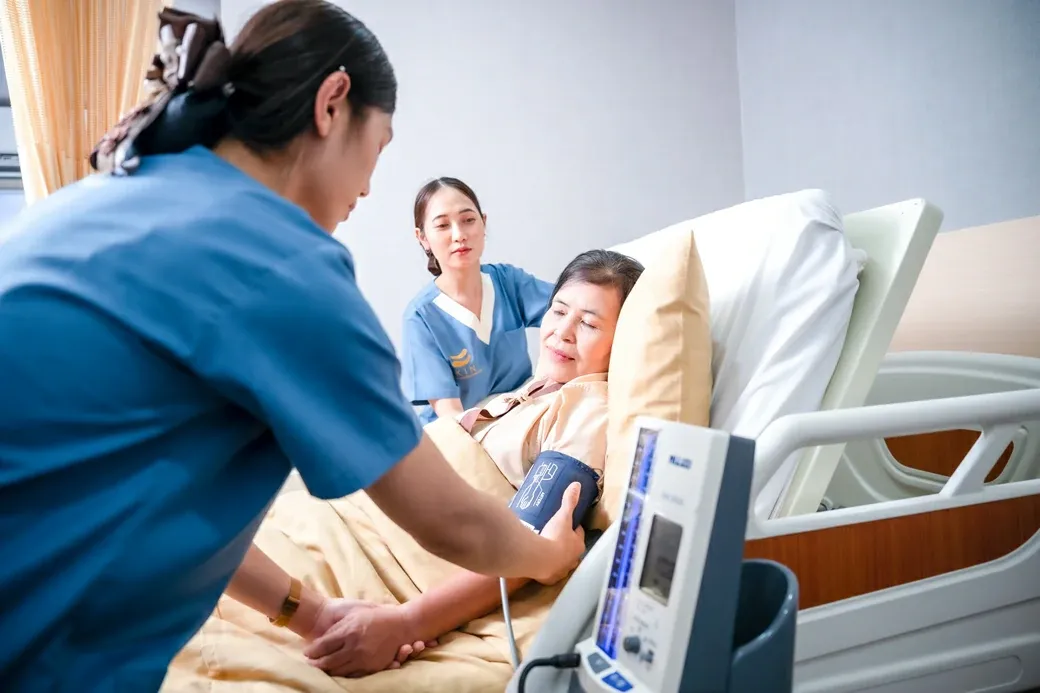
2. KIN’s Strengths in Gait Rehabilitation After Stroke and Comprehensive Recovery
Stroke Rehabilitation Effective stroke rehabilitation begins with understanding that each patient may have several interconnected impairments. Some experience weakness on one side, some have poor balance, some have difficulty swallowing, and others cannot use an arm or hand as before. Addressing only one area may limit overall recovery.
KIN therefore provides systematic care rather than occasionalpost-stroke physical therapy sessions. Each stage has clear goals to support continuous progress in sitting, standing, walking, balance, arm and hand use, and the greatest possible return to daily living.
A major strength of KIN is a rehabilitation structure that addresses the many dimensions of stroke recovery. Technologies and care are clearly organized into three areas: brain and neurological rehabilitation, movement and muscle rehabilitation, and targeted rehabilitation. This reflects an approach that does not simply apply one device at a time, but supports patients from the underlying problem through to real-life functional outcomes.
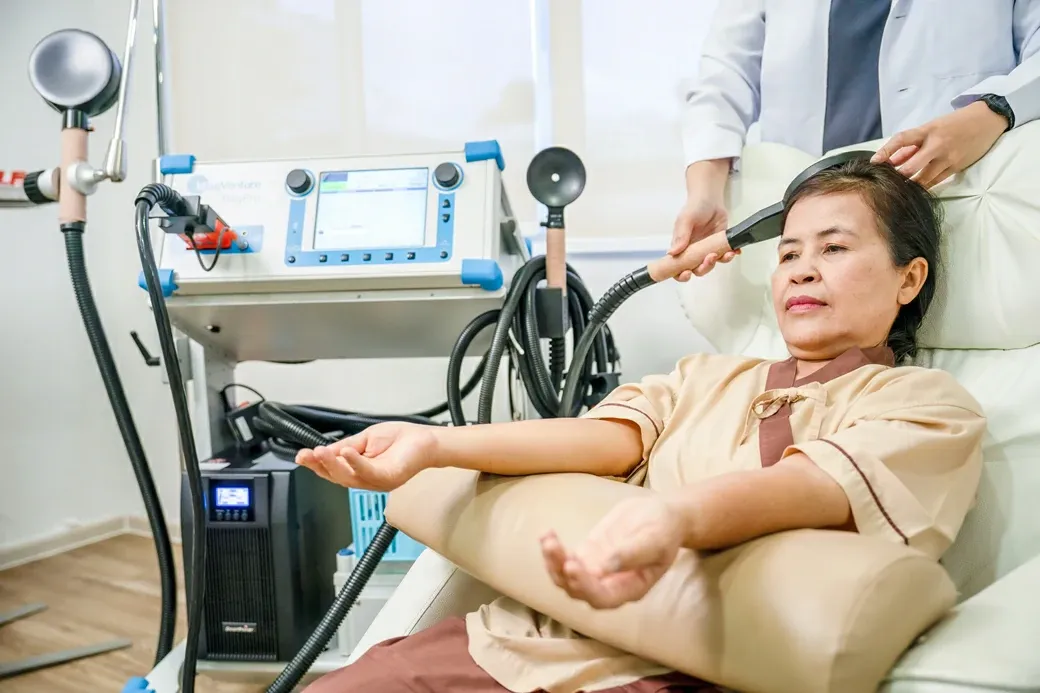
Forbrain and neurological rehabilitation, KIN combines approaches such as TMS and HBOT with Brain Booster/Cerebrolysin to support brain recovery. Formovement and muscle rehabilitation, KIN may use Aquatic Treadmill or Hydrotherapy together with PMS to support weight bearing, gait training and muscle activation. Fortargeted rehabilitation, care may also include Laser and Ultrasound Therapy and VitalStim for patients with swallowing difficulties.
Another important difference at KIN is genuine multidisciplinary care. The team may include neurologists, rehabilitation medicine physicians and geriatric medicine physicians, physical therapists, occupational therapists, pharmacists, registered nurses and nursing assistants. Patients are therefore not treated in separate fragments; the team considers the complete clinical picture together.
At the heart of this system is the Case Conference, where the care team reviews the patient’s condition, identifies key problems, sets goals and adjusts the plan according to the patient’s needs at each stage. For families, confidence comes not merely from knowing that a facility has therapists or equipment, but from knowing the patient has a structured, evidence-informed plan and a team that understands the recovery journey in depth. KIN’s strength is therefore not simply that it offers many services, but that it is astroke rehabilitation centerwhere every component is coordinated to work together in practice.
3. What Does KIN Stroke Rehabilitation Cover?
brain and neurological rehabilitation,
Supports brain recovery and movement control through approaches categorized by KIN under brain and neurological rehabilitation, including TMS magnetic brain stimulation, HBOT hyperbaric oxygen therapy with Brain Booster/Cerebrolysin
Gait, Balance and Muscle Rehabilitation
Helps patients practise standing and weight bearing, gait training and systematic muscle activation through approaches such as Aquatic Treadmill, Hydrotherapy and PMS.
Targeted Rehabilitation for Complex Problems
Addresses spasticity, muscle imbalance, swallowing difficulties and individual limitations with treatments such as Laser and Ultrasound Therapy and VitalStim/NMES when clinically indicated.
Multidisciplinary Care + Case Conference
The team plans together so that rehabilitation follows one coordinated direction and addresses the real goals of the patient and family. The team includes physicians, physical therapists, occupational therapists and nurses, along with other relevant professionals who regularly review the plan through Case Conferences.
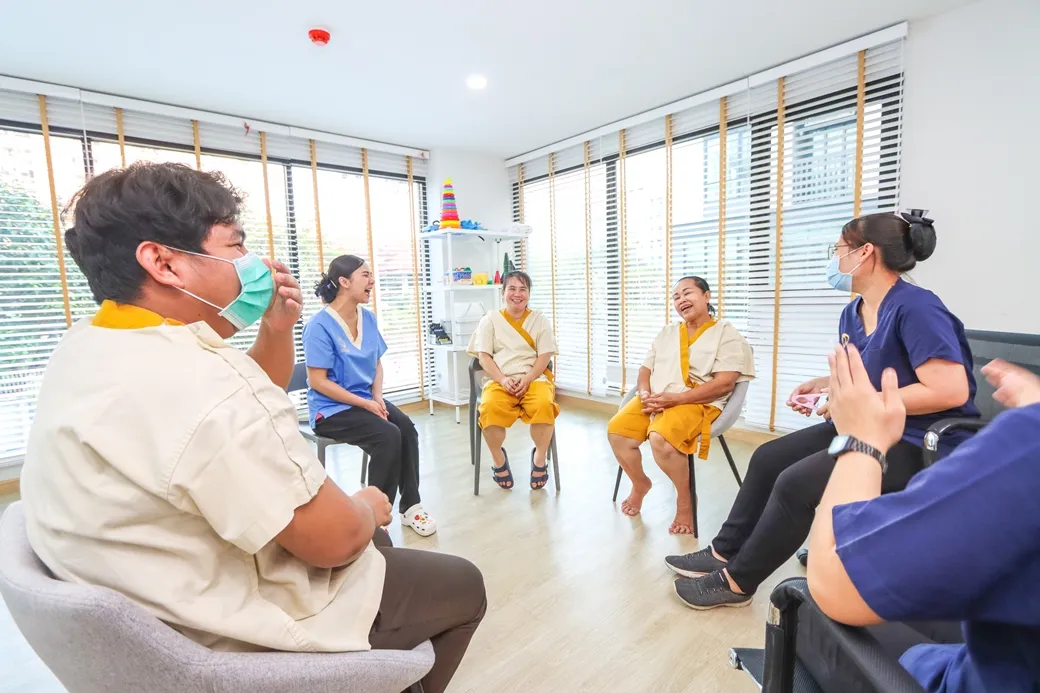
4. Who Is Stroke Physical Therapy Suitable For?
| Patient Group | Symptoms / Needs |
|---|---|
| Patients Recently Discharged from Hospital | Those who have completed the acute phase and need to begin appropriate rehabilitation during the post-stroke Golden Period. |
| Unsteady Walking or Difficulty Standing | Patients who need agait rehabilitation after stroke withpost-stroke balance rehabilitation program to improve walking and reduce fall risk. |
| Reduced Arm or Hand Function | Training for arm and hand use in daily activities such as grasping objects, eating and dressing through specialized occupational therapy. |
| Spasticity / Swallowing Difficulties | Targeted care such as VitalStim for swallowing difficulties or PMS/Laser for spasticity, according to clinical indications. |
| Families Seeking a Clear Plan | For families who do not want the patient to rely on trial and error and need a team that plans care from the first day and reports progress regularly. |
| Stroke Patients Recovering at Home | Patients may attend walk-in physical therapy at theKIN Physical Therapy Clinic or choosehome physical therapyas another option. |
5. The Stroke Rehabilitation Process at KIN
| Step | Focus | Details |
|---|---|---|
| 1 | Book a Complimentary Assessment | Contact KIN viaLINE or telephone and provide basic information about the patient’s condition. The team will arrange an assessment. |
| 2 | Comprehensive Medical Assessment | Rehabilitation medicine physicians and neurologists assess the condition, severity, remaining abilities and the family’s goals. |
| 3 | Case Conference and Planning | The multidisciplinary team meets to establish short- and long-term goals and select suitable technologies and rehabilitation programs. |
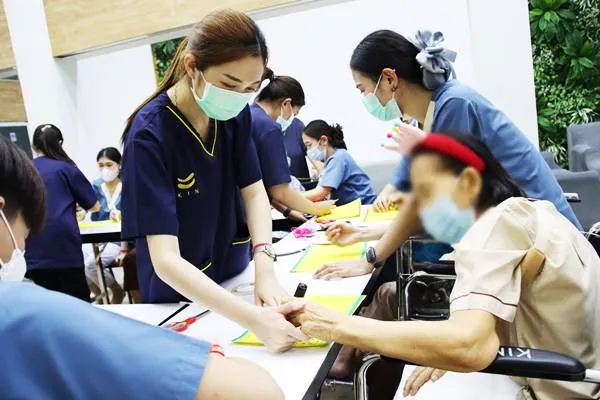
| 4 | Begin the Rehabilitation Program | Begin physical therapy, occupational therapy and rehabilitation technologies according to the plan, either while staying at the center (Nursing Home) or attending scheduled outpatient sessions. |
| 5 | Follow Up and Adjust the Plan | The team reports progress to the family every week, reassesses regularly and adjusts the program according to actual progress. |
6. Comparison: Stroke Physical Therapy at KIN vs General Clinics vs Home Exercise
| Criteria | KIN Stroke Rehabilitation | General Physical Therapy Clinic | Exercise at Home |
|---|---|---|---|
| Multidisciplinary Team | ✓ Physician + PT + OT + Nurse | One Physical Therapist | ✗ Not Available |
| Case Conference, | ✓ For Every Patient | ✗ Not Available | ✗ Not Available |
| TMS / HBOT Technology | ✓ All 3 Rehabilitation Areas | Available at Some Clinics | ✗ Not Available |
| Aquatic Treadmill | ✓ Water-Based Gait Training | ✗ Not Available | ✗ Not Available |
| Swallowing Therapy (VitalStim) | ✓ Speech-Language Therapy Available | Available at Some Clinics | ✗ Not Available |
| Progress Reports | ✓ Every Week | Occasional | ✗ Self-Assessment |
| Continuity with HomeCare | ✓ Home-Based Care Team Available | ✗ Not Available | ✗ |
7. Start Stroke Rehabilitation with KIN
Contact Us | Book a Complimentary Assessment
Ramkhamhaeng 24 Branch


Other KIN Services: Nursing Home · HomeCare · home physical therapy · Home Nursing · Palliative Care · Bedridden Patient Care · Postoperative Care · Day Care · Traditional Chinese Medicine · Mental Health · All Services · Medical Team
Branches: Lat Phrao 71 · Bearing · Ratchaphruek · Pattaya · Salaya
Promotions: Stroke Rehabilitation Promotion · Client Testimonials · Contact Us
About the Author
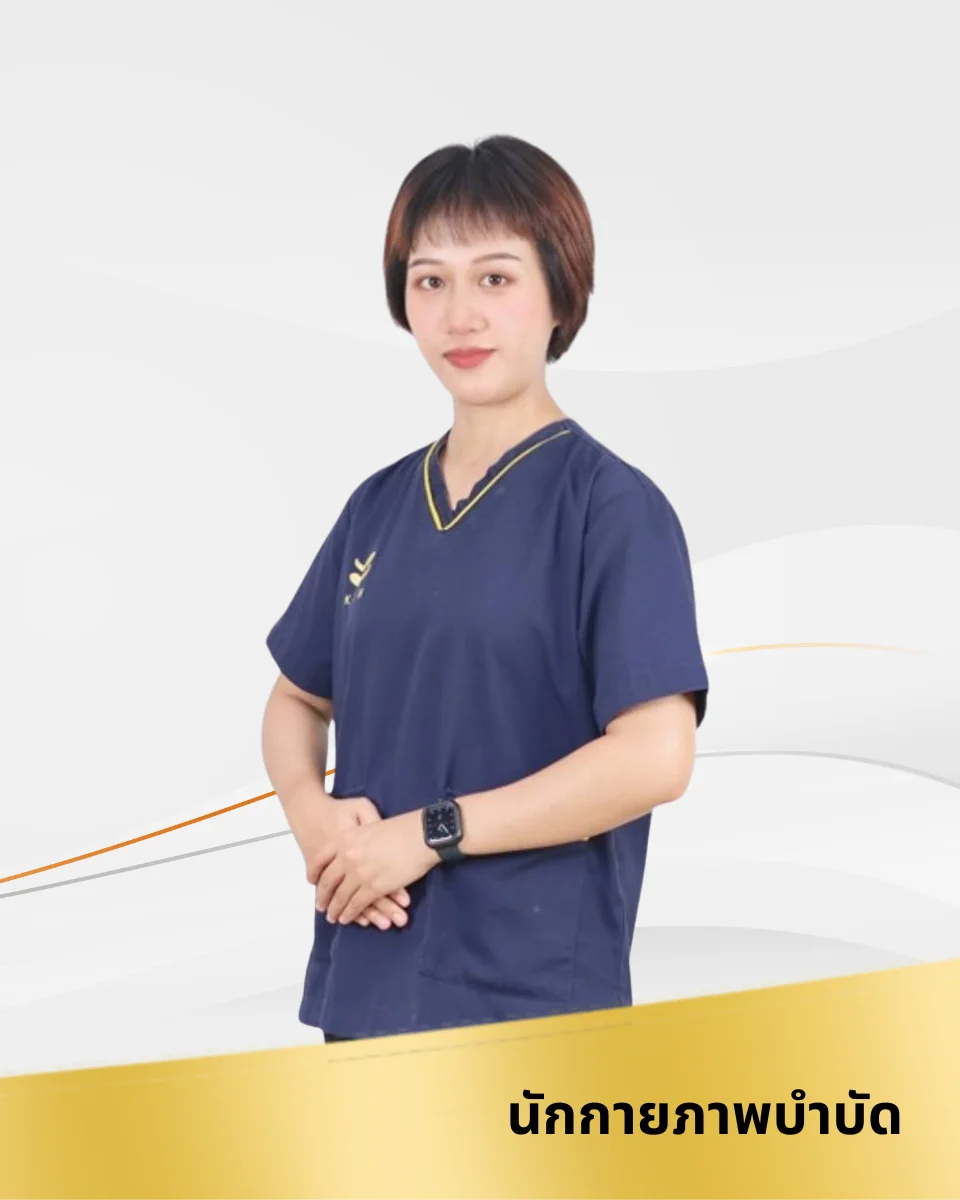
Written by PT. Praveena Saensuwan, PT License No. 12011
Licensed Physical Therapist | Head of Physical Therapy, KIN Rehabilitation & Homecare | Bachelor of Physical Therapy, University of Phayao
More than 5 years of experience in musculoskeletal, neurological and movement rehabilitation.
Medically reviewed by Dr. Kamonchat Chokthanomsap Medical License No. 40854 — Anti-Aging Medicine Physician
Last updated: June 2026
*This article is provided for educational purposes only and is not a medical diagnosis. Please consult a physician before beginning any rehabilitation program.
8. Frequently Asked Questions About Stroke Physical Therapy
Answered by the KIN Medical Team
When Should Physical Therapy Begin After a Stroke?
Assessment and rehabilitation planning should generally begin as early as is appropriate for the patient’s condition. The early recovery period, or Golden Period, is important because the brain has a high capacity for adaptation. This opportunity should not be missed unnecessarily.
How Can Physical Therapy Help a Stroke Patient?
It can support sitting, standing, walking, balance, arm and hand use, and daily activities. Some patients may also require care for swallowing difficulties or spasticity. KIN assesses each patient’s primary rehabilitation needs and creates a targeted plan.
Why Does a Stroke Patient Need a Multidisciplinary Team?
Stroke often affects more than one area. A patient may experience walking difficulties, impaired hand use, swallowing problems and emotional changes at the same time. A multidisciplinary team provides more comprehensive care and allows rehabilitation to be planned appropriately for the individual.
What Is a Case Conference and Why Is It Important?
A Case Conference is a meeting of the care team to review problems, set goals and adjust treatment according to the patient’s actual condition at each stage. It is a key strength of KIN that keeps rehabilitation coordinated rather than fragmented.
How Is KIN Different from General Physical Therapy?
KIN provides systematic stroke rehabilitation by connecting care for the brain, nervous system, movement, muscles, swallowing and daily living. The team conducts Case Conferences and uses three main groups of rehabilitation technologies rather than focusing only on an isolated problem.
Must a Stroke Patient Stay at the Center?
Both options are available. Patients who need continuous intensive rehabilitation may stay at KIN Nursing Home or attend scheduled physical therapy sessions at the KIN Physical Therapy Clinic. They may also choose home physical therapy and the team can provide care at home.
How Much Does Stroke Physical Therapy at KIN Cost?
Fees depend on the program and the level of rehabilitation each patient requires. We recommend contacting KIN for an assessment first. After assessment, the team will create a plan and provide clear cost information. View theStroke Rehabilitation Promotion for additional details.
How Many KIN Branches Are There, and Where Can Stroke Patients Receive Services?
KIN has six branches covering Bangkok, surrounding areas, Pattaya and Nakhon Pathom: Lat Phrao 71 Branch, Bearing (Sukhumvit 107), Ratchaphruek, Pattaya, Ramkhamhaeng 24 and Salaya
How Does an Aquatic Treadmill Support Gait Rehabilitation After Stroke?
An Aquatic Treadmill, or underwater treadmill, reduces impact on the joints and allows safer gait training even when muscles remain weak. Water supports body weight while stimulating the muscles around the joints, making it suitable for patients who are beginning standing and walking practice but are not yet able to train fully on land.
Contact Us | Book a Complimentary Assessment