
What Is the Golden Period?
Why Are the First 3–6 Months After a Stroke the Most Important Period for Recovery?
Specialist physicians across 5 disciplines — Neurology · Rehabilitation Medicine · Interventional Radiology · Geriatric Medicine · Anti-Aging Medicine
Key Facts — Answered by the KIN Medical Team
3–6 Months
Golden Period = The period of greatest neuroplasticity after a stroke
78%
Stroke patients at KIN regained the ability to walk within 3 months (internal 2025 data)
24–48 Hours
Basic rehabilitation can begin as soon as a physician determines it is safe
5 Disciplines
Specialist physicians provide comprehensive care throughout the Golden Period
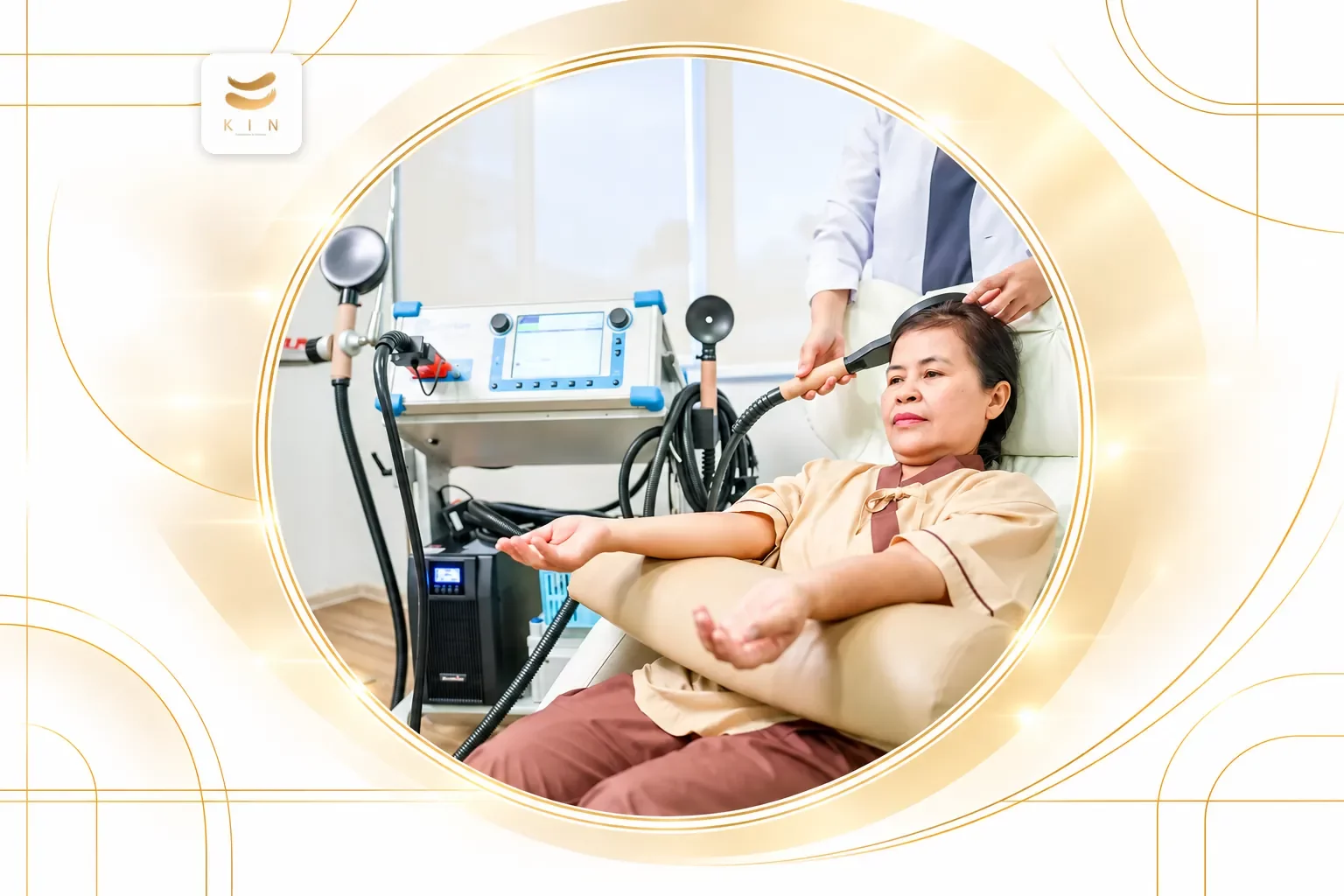


Former lecturer, Department of Rehabilitation Medicine, Faculty of Medicine, Chulalongkorn University, and a Doctor of Medicine graduate with First-Class Honors from Chulalongkorn University — Dr. Aim sets KIN’s policy and standards for stroke rehabilitation at every branch. Physical therapists, occupational therapists and speech therapists at every branch work within this same system.
The 5-step stroke rehabilitation system used at every KIN branch
The physician and multidisciplinary team assess function in all six areas before training begins
Measurable goals agreed together with the family
Physical therapy every day, with occupational therapy and speech/swallowing training per the individual plan
Progress reassessed regularly against the first-day baseline
Intensity adjusted to how the body actually responds, with a plan for continued care at home
1. What Is the Golden Period? — The Clearest Definition

Golden Period is the first 3–6 months after a stroke, when the brain has its greatest capacity to adapt and repair itself. This is known as Neuroplasticity — healthy nerve cells can learn to take over functions from damaged areas when they receive appropriate and consistent stimulation.
When a stroke occurs, brain cells in the area deprived of blood are damaged, but the brain does not stop functioning. Surrounding areas can still “relearn.” This capacity is greatest during the Golden Period and gradually declines over time, so intensive and continuous rehabilitation during this period produces the best outcomes.
| Concept | Meaning |
|---|---|
| Neuroplasticity | The brain’s ability to create new neural connections to compensate for damaged areas |
| Golden Period | The first 3–6 months after a stroke, when neuroplasticity is at its peak; every week during this period matters |
| Why Earlier = Better | The earlier training begins while neuroplasticity is high, the more effectively and accurately the brain can build new pathways |
| After 6 Months | Neuroplasticity declines but remains present — recovery is still possible, although greater consistency is required |
2. Why Is the Golden Period So Important? — What Families Need to Know
According to KIN internal data from 2025, stroke patients enrolled in the KIN rehabilitation program 78% regained the ability to walk within 3 months By contrast, research has found that approximately 30% were still unable to walk independently after 6 months
The difference between these two groups is often not only the severity of the stroke, but also the speed and intensity of rehabilitation during the first 3–6 months Every day that passes without rehabilitation allows neuroplasticity to decline and muscle wasting to progress.
78%
Regained Walking Ability Within 3 Months
Stroke patients enrolled in the KIN rehabilitation program — internal 2025 data under the care of specialists across 5 disciplines
~30%
Still Unable to Walk After 6 Months
Patients who did not receive intensive, continuous rehabilitation during the Golden Period (based on rehabilitation medicine research)
A Common Misunderstanding Among Families: Many families believe that after hospital discharge the patient should rest first and begin rehabilitation later. In fact, the opposite is true — the period immediately after discharge is when intensive rehabilitation should begin, because neuroplasticity is still high.
KIN is a comprehensive stroke rehabilitation center providing structured care by specialist physicians and a multidisciplinary team, helping patients make the most of the Golden Period and return to daily life — View the Comprehensive Stroke Rehabilitation Program · Real Patient Testimonials

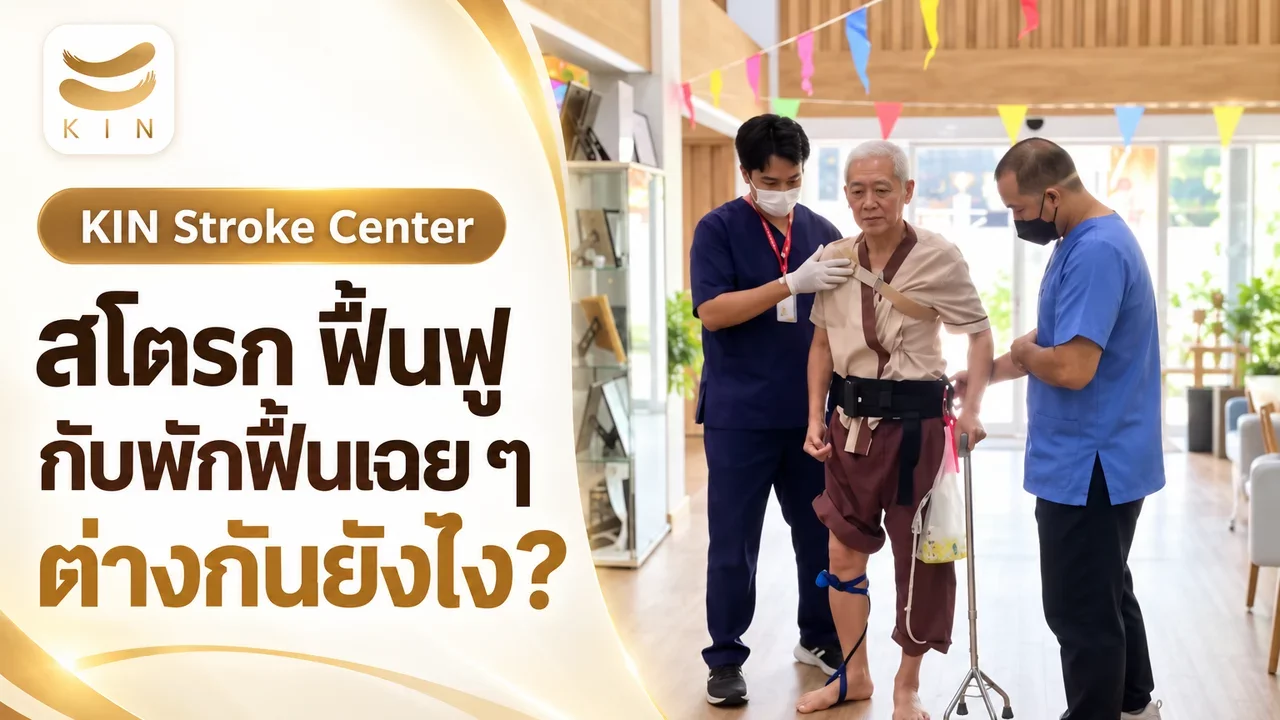
3. Golden Period Timeline — What to Do at Each Stage
The Golden Period is not a single phase. It can be divided into three stages with different goals, beginning 24–48 hours after a stroke and continuing through 6 months. Understanding what to do at each stage helps families plan effectively.
| Time Period | Neuroplasticity | Recommended Actions |
|---|---|---|
| First 24–48 Hours | Beginning to Increase | Begin basic rehabilitation when approved by the physician and prevent complications |
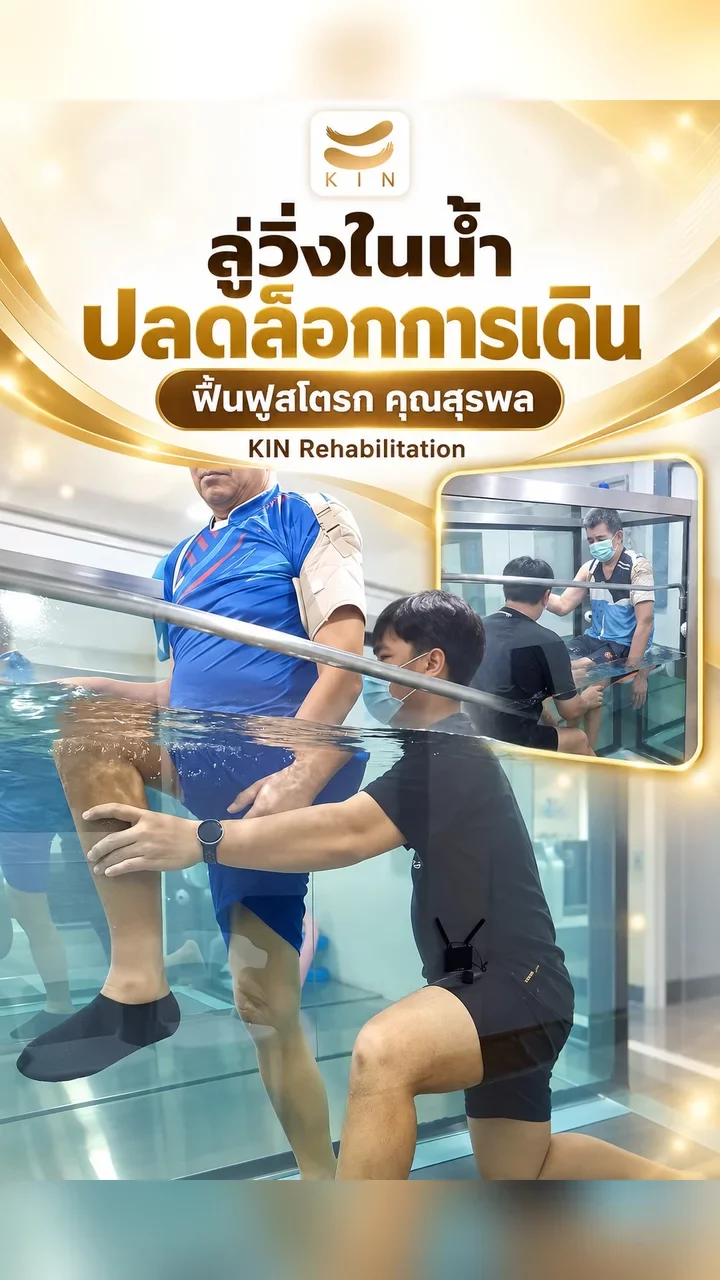
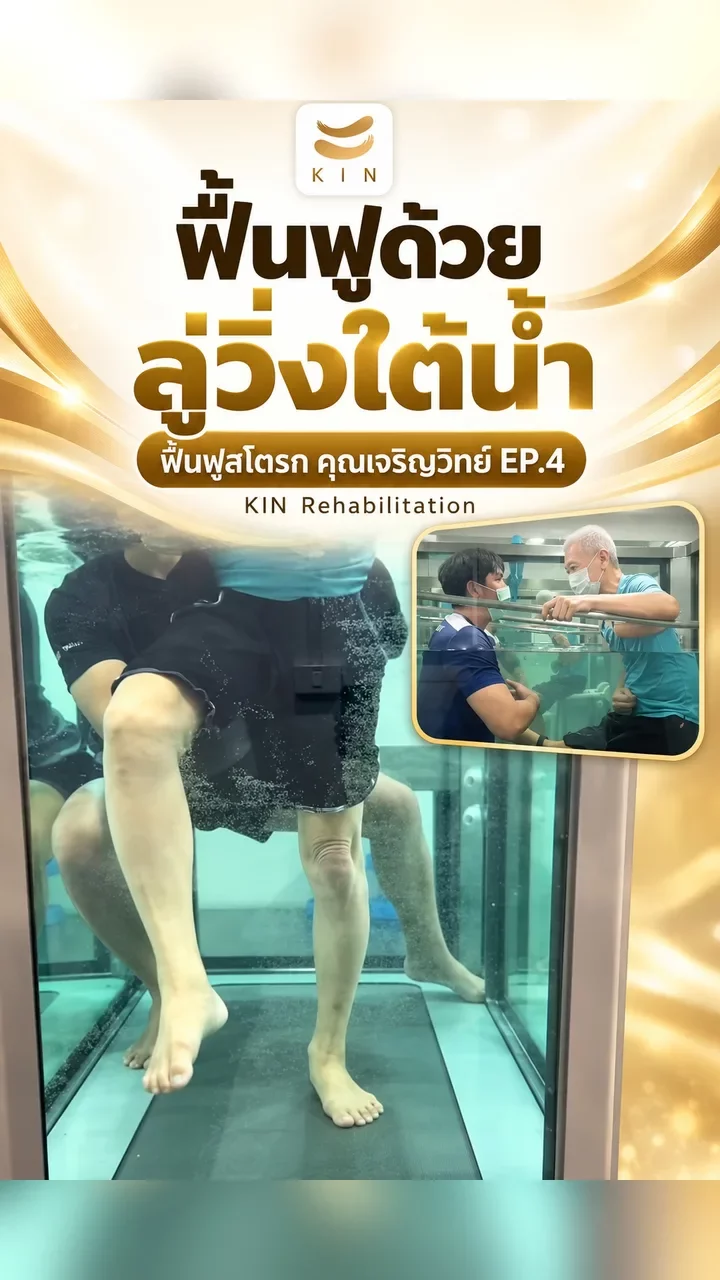
| First Week — 3 Months | Highest | Intensive daily rehabilitation: TMS + PT + OT + ST + hydrotherapy |
| 3–6 Months | Still High | Maintain intensity, set functional goals, and prepare to return home |
| After 6 Months | Lower but Still Present | Continued recovery remains possible — TMS + hydrotherapy + consistent physical therapy |
4. More Than 6 Months Have Passed — Is Recovery Still Possible? Do Not Lose Hope
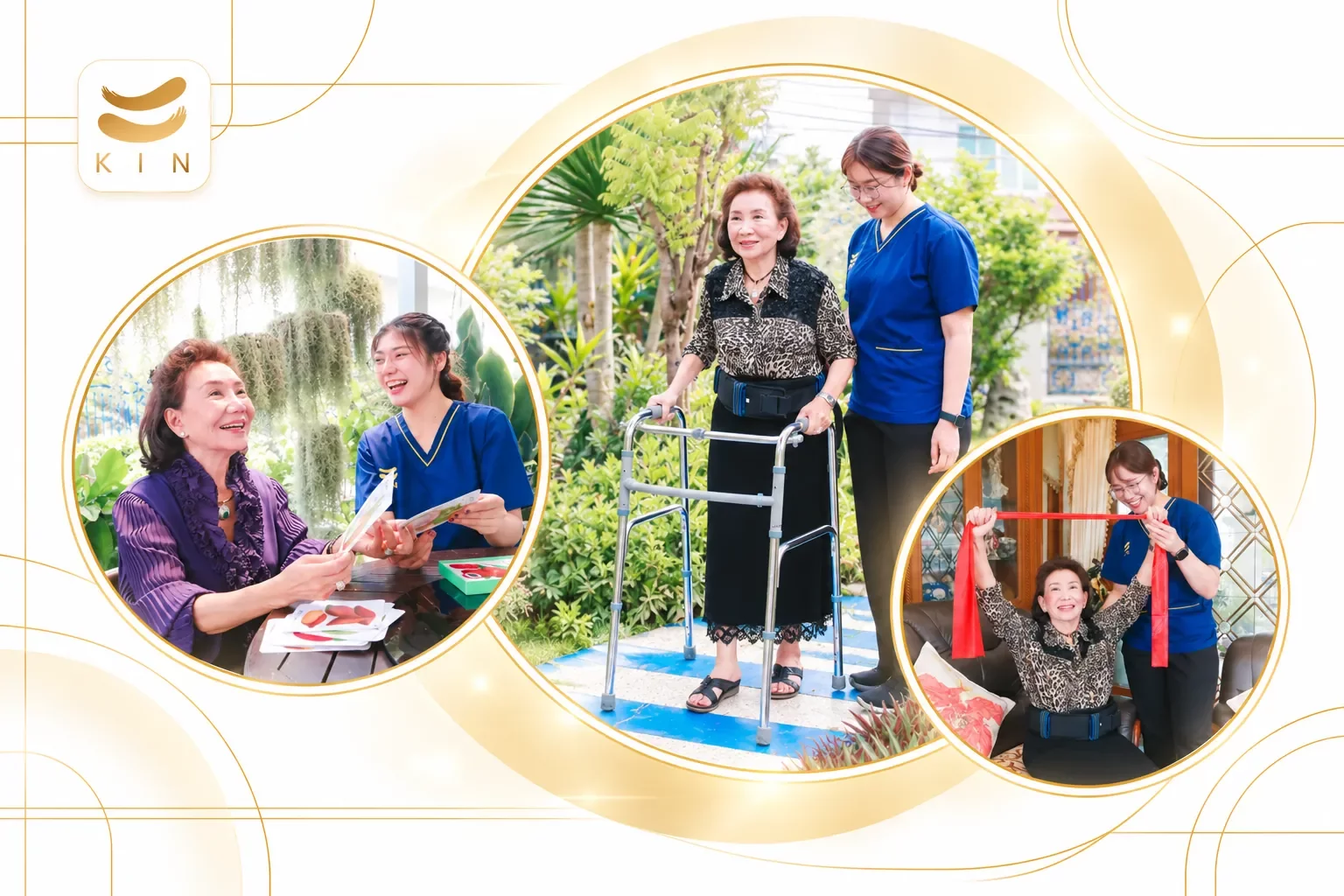
Recovery Is Still Possible — Even After the Golden Period The brain still retains neuroplasticity, although greater consistency and additional technology may be needed. Many patients who begin rehabilitation after 6 months can still make clear progress.
An important point for families to understand is that there is no such thing as “too late” As long as training and brain stimulation continue consistently, the brain can still form new pathways, although more slowly than during the Golden Period. Areas that often improve even after 6 months include balance, muscle strength, speech, and activities of daily living.
TMS — Enhancing Neuroplasticity
Magnetic stimulation directly activates neural circuits and may enhance neuroplasticity even after the Golden Period. It works well alongside physical therapy and is supervised by Dr. Kritchatha Phuengcharoen (Neurology)
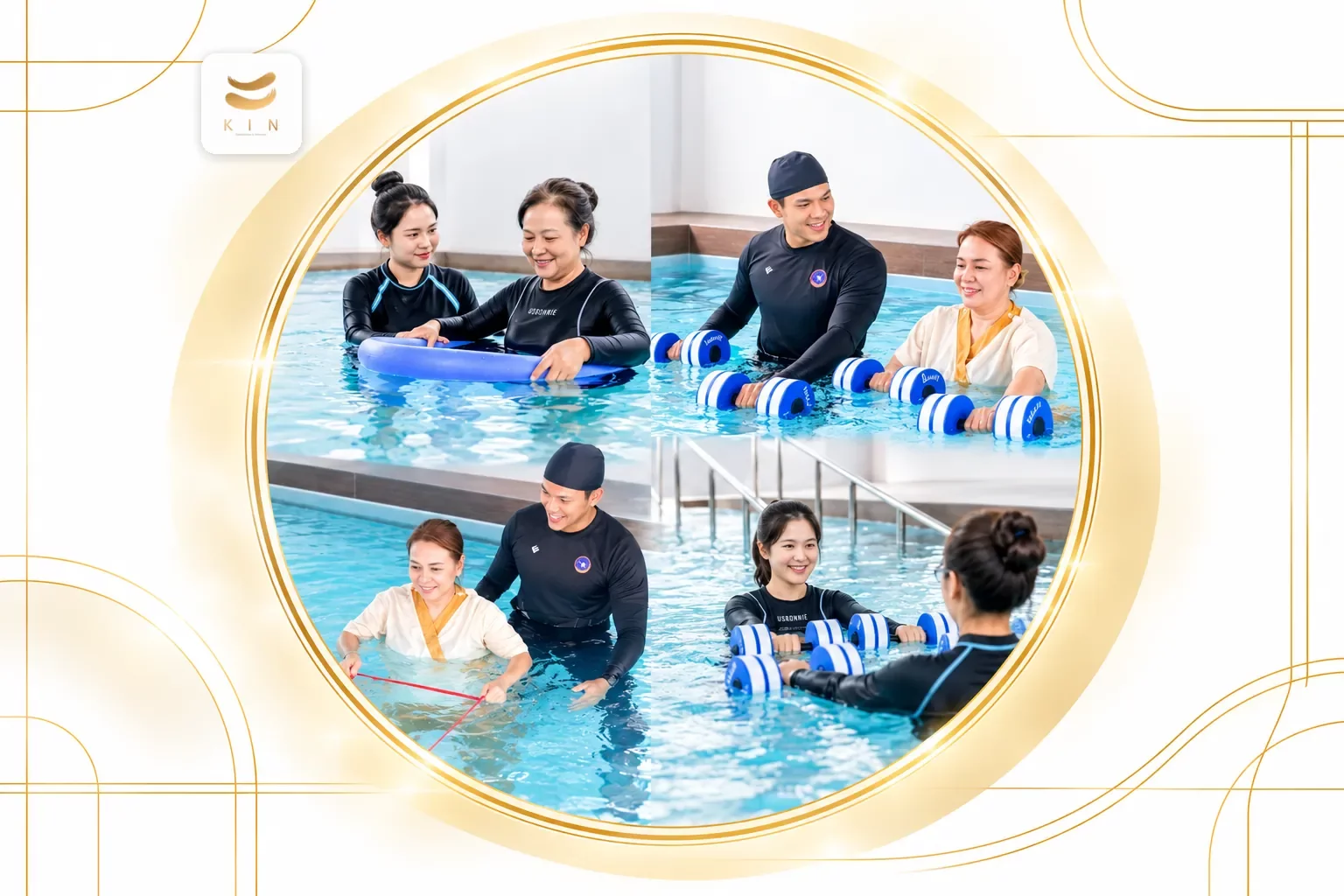
Hydrotherapy — Safe Training at Every Stage
Water reduces impact by 60–80%. Patients who still have muscle weakness after 6 months can safely practice walking using both thehydrotherapy pool (Bearing) and aquatic treadmill (Lat Phrao 71)
HomeCare — Continuing Rehabilitation at Home
For patients who are already at home, KIN physical therapists can provide home visits, allowing rehabilitation to continue in the patient’s actual living environment.
5. How KIN Supports Patients During the Golden Period
KIN Stroke Recovery Program is designed to maximize the benefits of the Golden Period through specialists across 5 disciplines, daily physical therapy (once a day in every package; intensive 2–3 sessions a day when recommended by the physician), comprehensive brain-rehabilitation technology, and a continuum-of-care system that extends into the home.
Specialists Across 5 Disciplines — View Medical Team Details
Dr. Thanchanok Chuthamsathit, M.D. (“Dr. Aim”)
Rehabilitation Medicine — Medical Director
Sets the stroke rehabilitation system and standards for every branch, so the Golden Period runs on a plan with clear goals and scheduled re-measurement
Capt. Dr. Talerngkiat Jamulitrat
Vascular and Interventional Radiology
Vascular assessment and carotid ultrasound at KIN × CHARNN Vascular Center, Sukhumvit 107
Dr. Chatraporn Wittayadamrongchai
Board-Certified Rehabilitation Medicine
Designs individualized rehabilitation programs and adjusts plans every 2 weeks according to progress
Dr. Kritchatha Phuengcharoen
Neurology
Assesses brain damage, establishes goals, and supervises TMS brain stimulation
Dr. Chanya Wuttikraikul
License No. 51106
Geriatric Medicine
Manages comorbidities, controls blood pressure and diabetes, and plans prevention of recurrent stroke
Dr. Kamonchat Chokthanomsap
Anti-Aging Medicine — Resident Physician at KIN
Provides daily patient care and coordinates multidisciplinary case conferences for every case
Daily Rehabilitation
Physical therapy every day (once a day in every package; intensive 2–3 sessions a day when recommended by the physician), plus OT and ST, to maximize neuroplasticity during the Golden Period — compared with hospitals that may provide only 30–60 minutes of rehabilitation per day
TMS + Two Forms of Hydrotherapy
TMS Magnetic Brain Stimulation + Hydrotherapy Pool (Bearing) + Aquatic Treadmill (Lat Phrao 71) — KIN is one of the few networks in Thailand to provide both forms
Continuum of Care
Rehabilitation Center → Physical Therapy Hospital → Elderly Care → HomeCare Continuous care within one system, without coordinating multiple providers
Mental Health Support
An estimated 30–40% of stroke patients experience post-stroke depression, which can slow recovery. KIN providesmental health professionalsonline daily from 4:00–7:30 p.m.
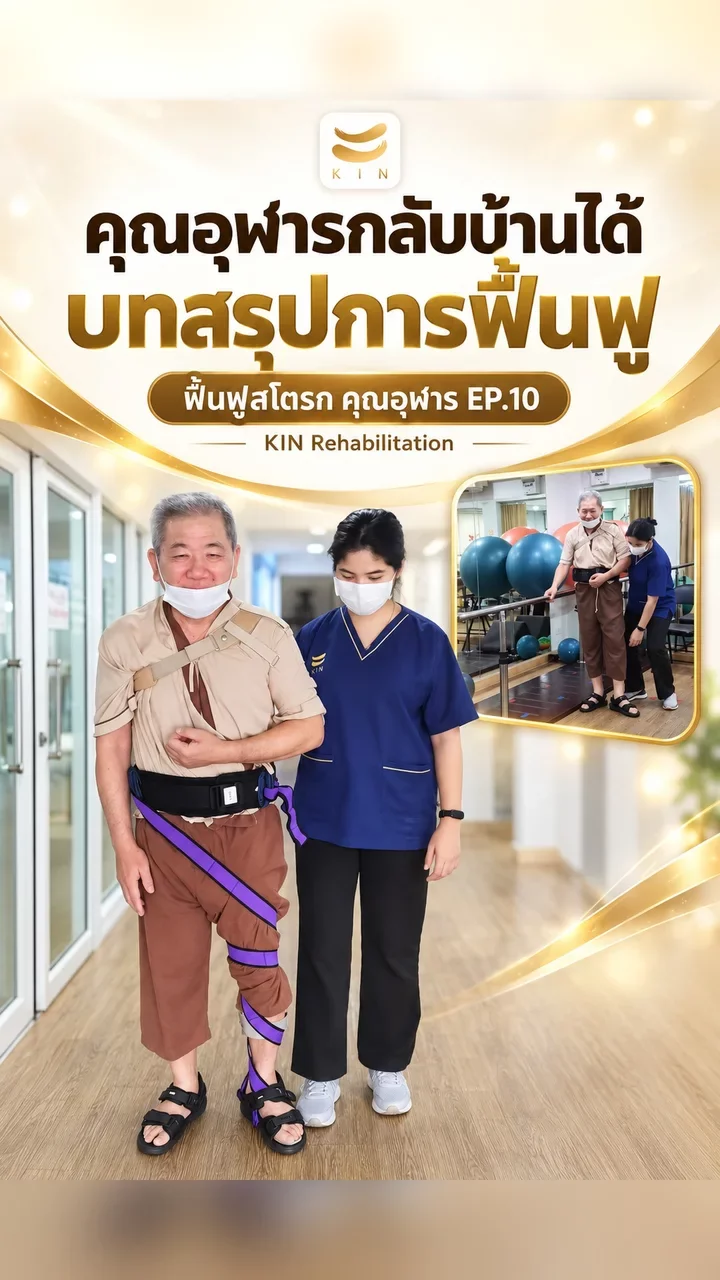
Real Patient Testimonials from Golden Period Recovery
Khun Suraphon · Khun Phonlawat · Khun Lertdet · Khun Charoenwit · Khun Upar — real, unedited recovery journeys
View All Patient Testimonials →Try the 7-Day Rehabilitation Program
For patients in the Golden Period who are still uncertain — try the program first
Vascular Care from Our Team
The medical team also includes vascular and interventional radiology. Capt. Dr. Talerngkiat Jamulitrat (Thai medical licence 28431) provides vascular assessment at KIN × CHARNN Vascular Center, Sukhumvit 107. EECP is available following individual assessment and advance booking; it is not a treatment or prevention method for stroke.
Physician profile · KIN × CHARNN Vascular Center · EECP: indications and limitations · EECP and stroke: research evidence · Why a standard course has 35 sessions · Renew NCP-5 and the care team
Frequently Asked Questions — Golden Period After Stroke
Answered by the KIN Medical Team
What is the Golden Period after a stroke?
How soon should rehabilitation begin after a stroke?
After hospital discharge, is continued rehabilitation still necessary?
Can recovery still occur more than 6 months after a stroke?
What is neuroplasticity, and how does it relate to stroke?
How does KIN support patients during the Golden Period?
How can I schedule an assessment with KIN?
Contact Us | Complimentary Assessment
6 Branches Across Bangkok, Pattaya, and Salaya
Lat Phrao 71


Bearing (Sukhumvit 107)
Physical Therapy Hospital
Ratchaphruek
Pattaya
Ramkhamhaeng 24
Salaya
About the Article Author
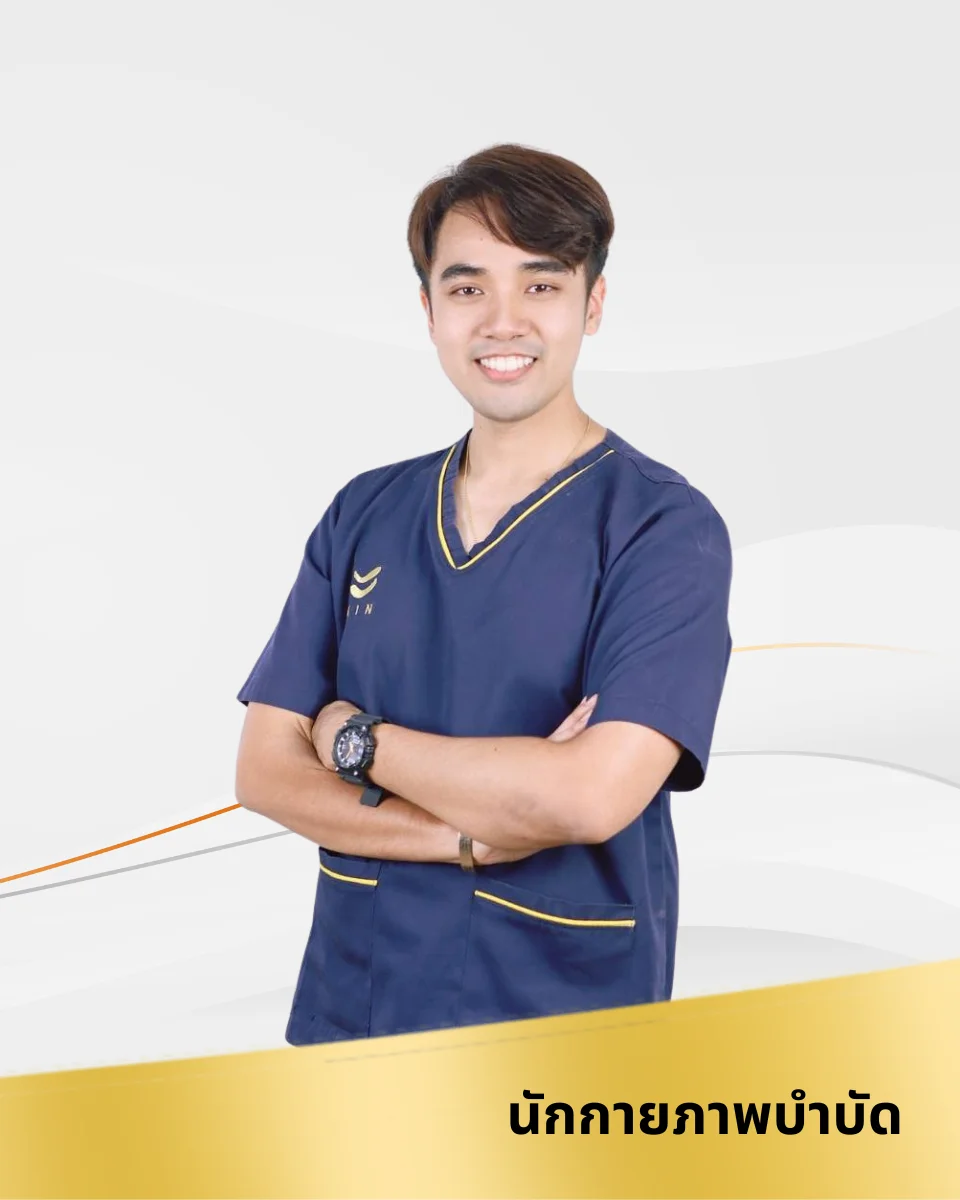
Written by PT Anecha Horasat PT License No. 9685
Licensed Physical Therapist | Manager, KIN Rehabilitation & Homecare | Master of Physical Therapy, Mahidol University
Medically reviewed by Dr. Thanchanok Chuthamsathit, M.D. (“Dr. Aim”) Medical License No. 62998 — Medical Director, Rehabilitation Medicine | Last Updated: October 2026
This article is for educational purposes only and does not constitute a medical diagnosis. Consult a physician before making decisions.
Send CT/MRI results for evaluation by the KIN medical team
Receive a prompt response — no consultation fee