Brain Rehabilitation Innovations KIN
7 Technologies for Faster Recovery — Supervised by a Specialist Medical Team Across 5 Disciplines
TMS · HBOT · Aquatic Treadmill · PMS · VitalStim · 6 Branches in Bangkok, Pattaya and Salaya
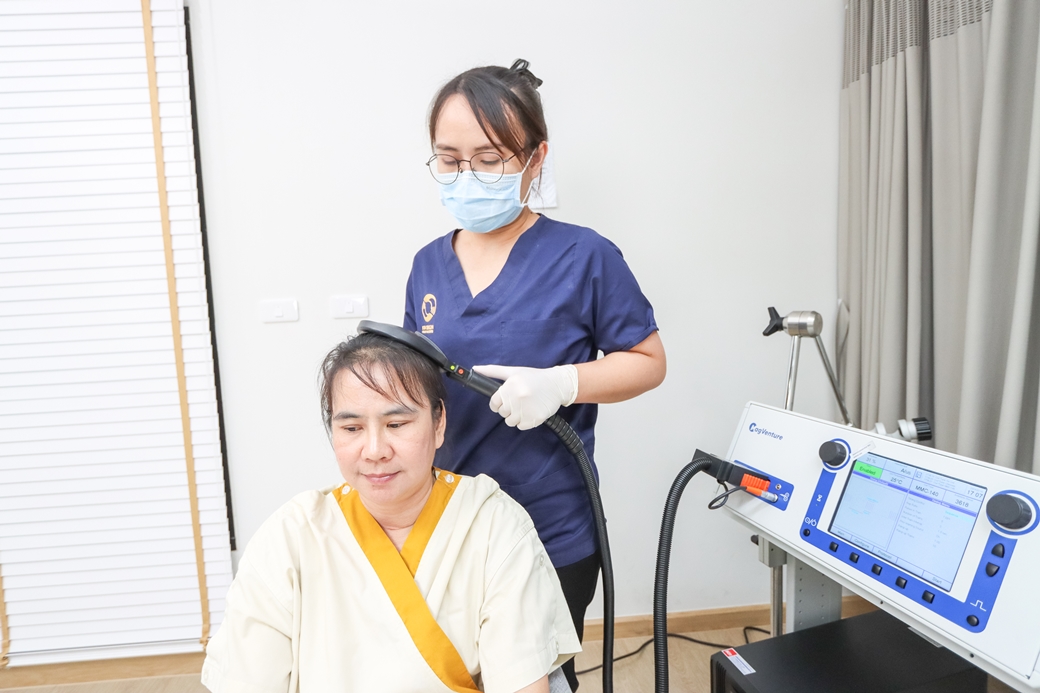
KIN’s rehabilitation innovations are supervised by a specialist medical team across 5 disciplines: Dr. Thanchanok Chuthamsathit, M.D. (“Dr. Aim”) (Rehabilitation Medicine, Medical Director — sets the rehabilitation system and standards), Capt. Dr. Talerngkiat Jamulitrat (Interventional Radiology), Dr. Chatraporn Wittayadamrongchai (Board-Certified Rehabilitation Medicine), Dr. Kritchatha Phuengcharoen (Neurology), Dr. Chanya Wuttikraikul (Geriatrics), and Dr. Kamonchat Chokthanomsap (Rehabilitation and Anti-Aging Medicine), working together through a Case Conference for every case — theBearing Branch (Sukhumvit 107) is aphysical therapy hospitallicensed by the Ministry of Public Health, with 8 floors and 58 beds.
KIN is a stroke rehabilitation centerthat was the first and remains the only center in Thailandto introduce the Aquatic Treadmill (underwater treadmill) for patient rehabilitation, and is alsothe only center in Thailandto offer both a warm-water hydrotherapy pool and an underwater treadmill within one integrated system. This reflects KIN’s continued investment in the development and research of rehabilitation technology to help patients return to daily life.
Many families ask, “Why is recovery still slow despite physical therapy?” The answer is that the brain needs stimulation at the right location, at the right time and with continuity — physical therapyis an essential foundation, but for patients withstrokeand deeper neurological damage, rehabilitation technology can accelerate and enhance the effectiveness of therapy.
KIN was established in 2018 and hasa specialist medical team across 5 disciplines including Board-Certified Rehabilitation Medicine, Neurology, Interventional Radiology, Geriatric Medicine and Rehabilitation and Anti-Aging Medicine directly supervising every technology, rather than relying solely on technicians.
Why Conventional Stroke Rehabilitation May Produce Slow Results
| Common Problems | Causes and Solutions |
|---|---|
| Slow Recovery Despite Physical Therapy | The damaged area of the brain has not yet received direct stimulation — TMS TMS helps address this issue. |
| Weak Limbs and Muscle Spasticity | The muscles do not respond adequately to repetitive training — PMS PMS directly stimulates the muscles. |
| Unable to Walk or Bear Weight Through the Leg | Land-based training may cause joint discomfort and increase fall risk — Aquatic Treadmill the Aquatic Treadmill reduces impact by up to 80%. |
| Swallowing Difficulty and Frequent Aspiration | The swallowing muscles have not yet recovered — VitalStim VitalStim provides targeted stimulation. |
| Can Recovery Still Occur After 6 Months? | Yes — neuroplasticity can continue for years. Technology may still support recovery even after the Golden Period. |
Real Recovery Records — Unedited and Unembellished
Before learning about the technologies, see real outcomes from patients who used them.

Khun Upar — Walking Independently Again
TMS combined with continuous physical therapy, progressing from unstable sitting to independent walking.
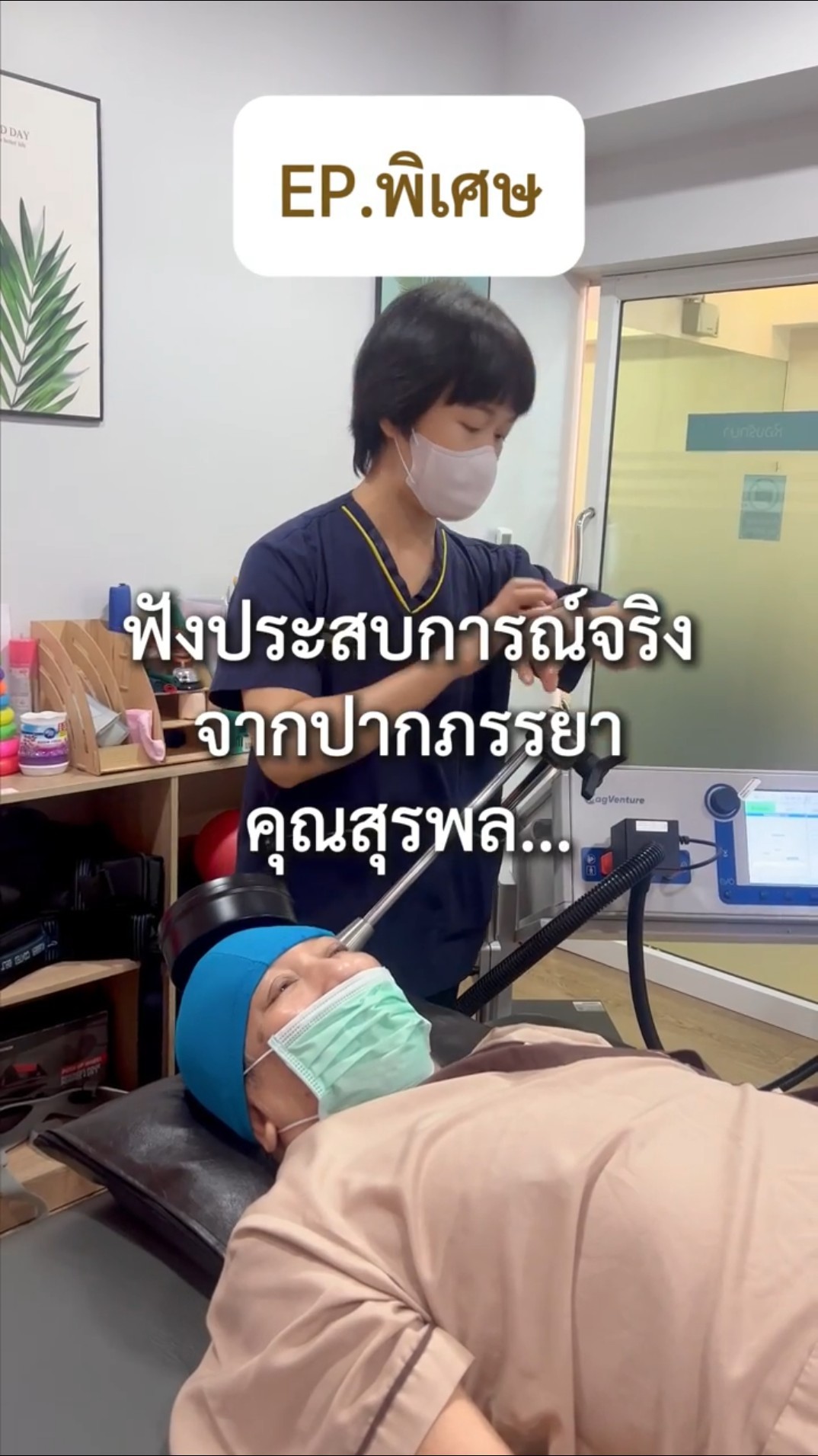
Khun Suraphon — A Review from His Wife
He returned to his previous daily life because the right rehabilitation approach was chosen from the beginning.
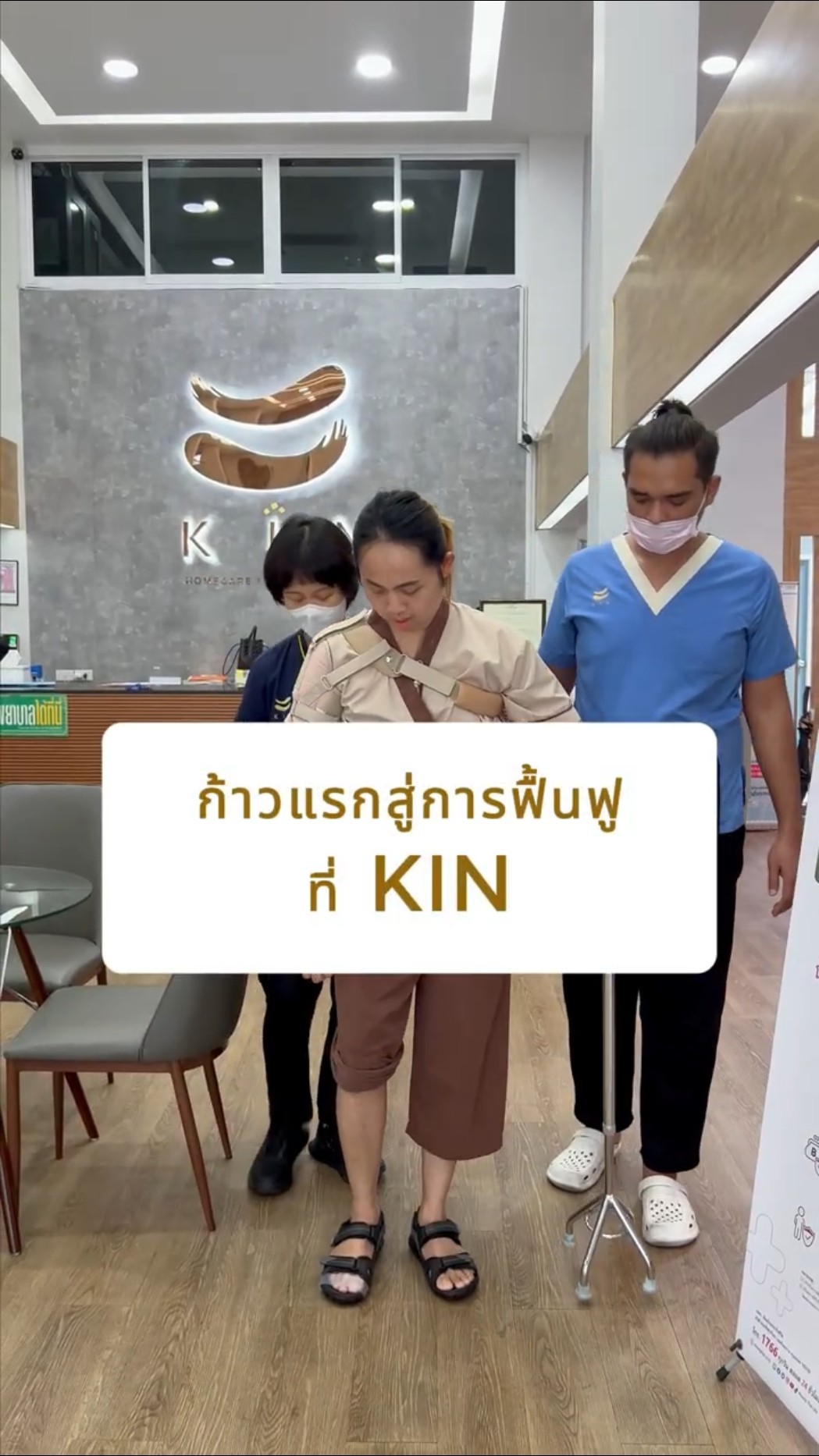
Khun Phonlawat — Stroke at Age 34
Stroke can affect people of any age. His rehabilitation journey began on the first day.
Published with the consent of the patients and their families — view all testimonials
Group 1 — Brain and Neurological Technologies
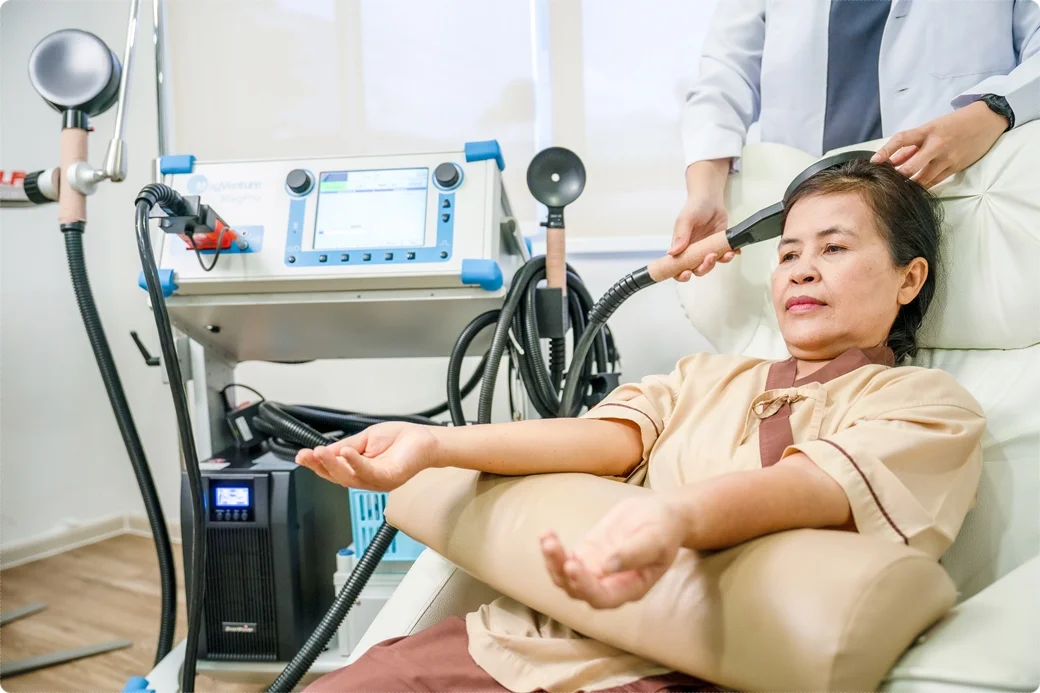
TMS — Transcranial Magnetic Stimulation for Brain Stimulation
Suitable for: patients withStroke stroke who have limb weakness, slow recovery or post-stroke depression. Magnetic pulses stimulate the affected area of the brain directly without surgery or pain. For patients who also require emotional support, KIN offersonline mental health specialists)
What Makes KIN Different: Dr. Kritchatha Phuengcharoen, a neurologist, determines the stimulation location and intensity according to each patient’s brain-scan findings rather than using the same standard settings for everyone.

HBOT — Hyperbaric Oxygen Therapy
Suitable for: Patients with viable brain tissue in the penumbra region may benefit from oxygen delivered in a chamber pressurized to 1.5–3 times normal atmospheric pressure. This allows more oxygen to dissolve in the blood and tissues than ordinary breathing and may support surviving brain cells in resuming function.
What Makes KIN Different: used together witha physical therapy programto improve overall effectiveness — see details on theHBOT page
Brain Booster / Cerebrolysin — Supporting Neural Regeneration
Suitable for: For patients seeking recovery of memory, executive function and cognition after stroke. Neuropeptide therapy may support the formation of new nerve cells and neural pathways.
What Makes KIN Different: Prescribed directly by a neurologist, with dosage adjusted according to each patient’s response — Brain Booster KIN
Group 2 — Movement and Muscle Technologies
%20(1).png "Aquatic Treadmill and Hydrotherapy for stroke rehabilitation at KIN")
Aquatic Treadmill / Hydrotherapy
Suitable for: For patients who need gait training but cannot yet fully bear weight through the legs. Water buoyancy reduces joint loading by up to 80%, allowing longer and safer training than on land. It is particularly suitable for older adults and patients with osteoarthritis.
What Makes KIN Different: Aquatic Treadmill is available at theLat Phrao 71 Branch — Hydrotherapy (pool-based therapy with an aquatic physical therapist) is available at theBearing Branch (Physical Therapy Hospital) — see details on the Hydrotherapy page
PMS — Peripheral Magnetic Stimulation for Muscle Activation
Suitable for: For patients with muscle weakness, spasticity or contracture after stroke. Magnetic stimulation activates the muscles directly without surgery or needles.
What Makes KIN Different: used together withphysical therapyto enhance recovery rather than replace physical therapy.
Group 3 — Targeted Rehabilitation Technologies
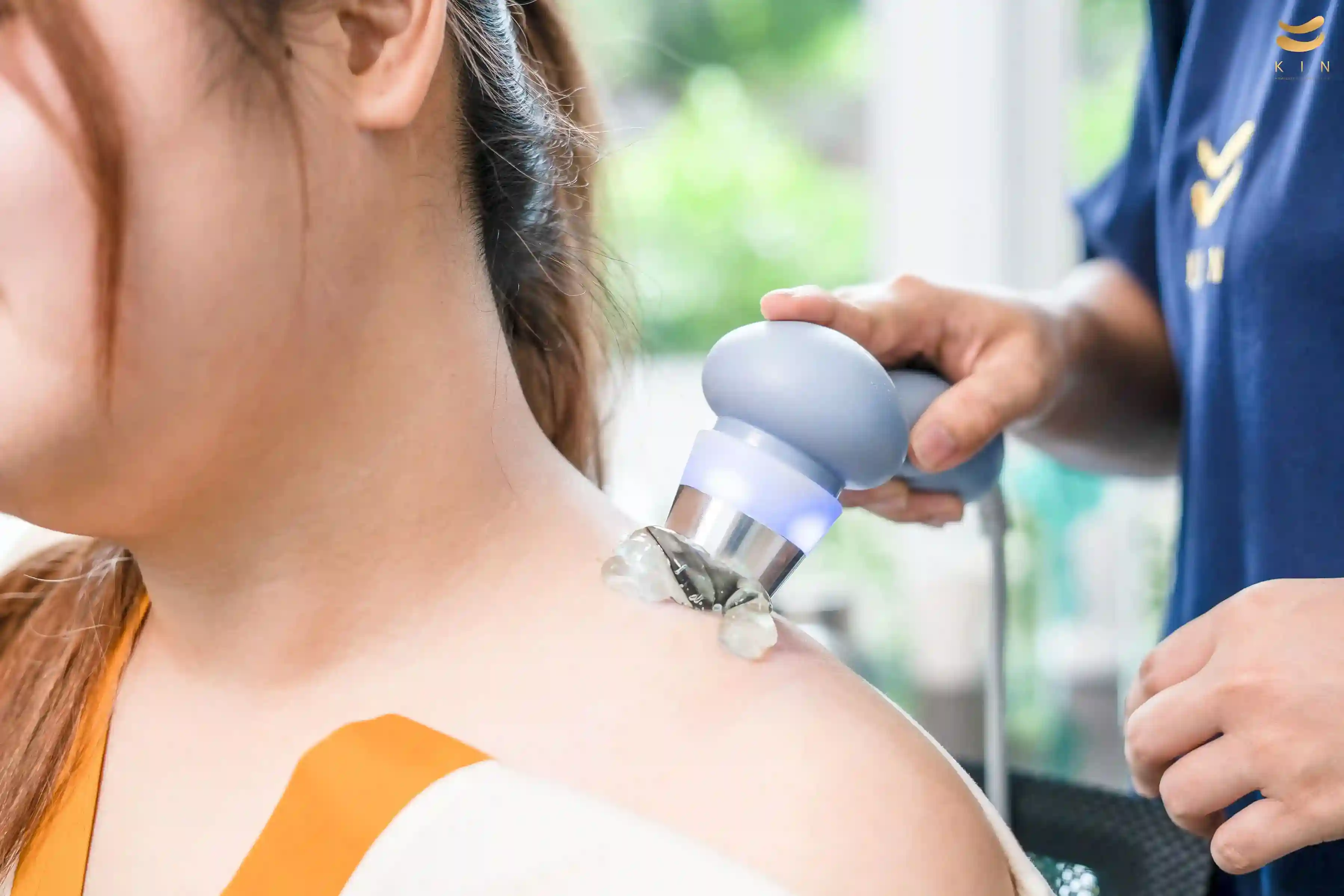
Laser & Ultrasound Therapy
Suitable for: For patients with chronic pain, joint inflammation, stiffness or soft-tissue injury requiring cellular-level rehabilitation. The treatment may support tissue repair and reduce inflammation.
What Makes KIN Different: used together with PMS andphysical therapyfor stroke patients who also have muscle pain.
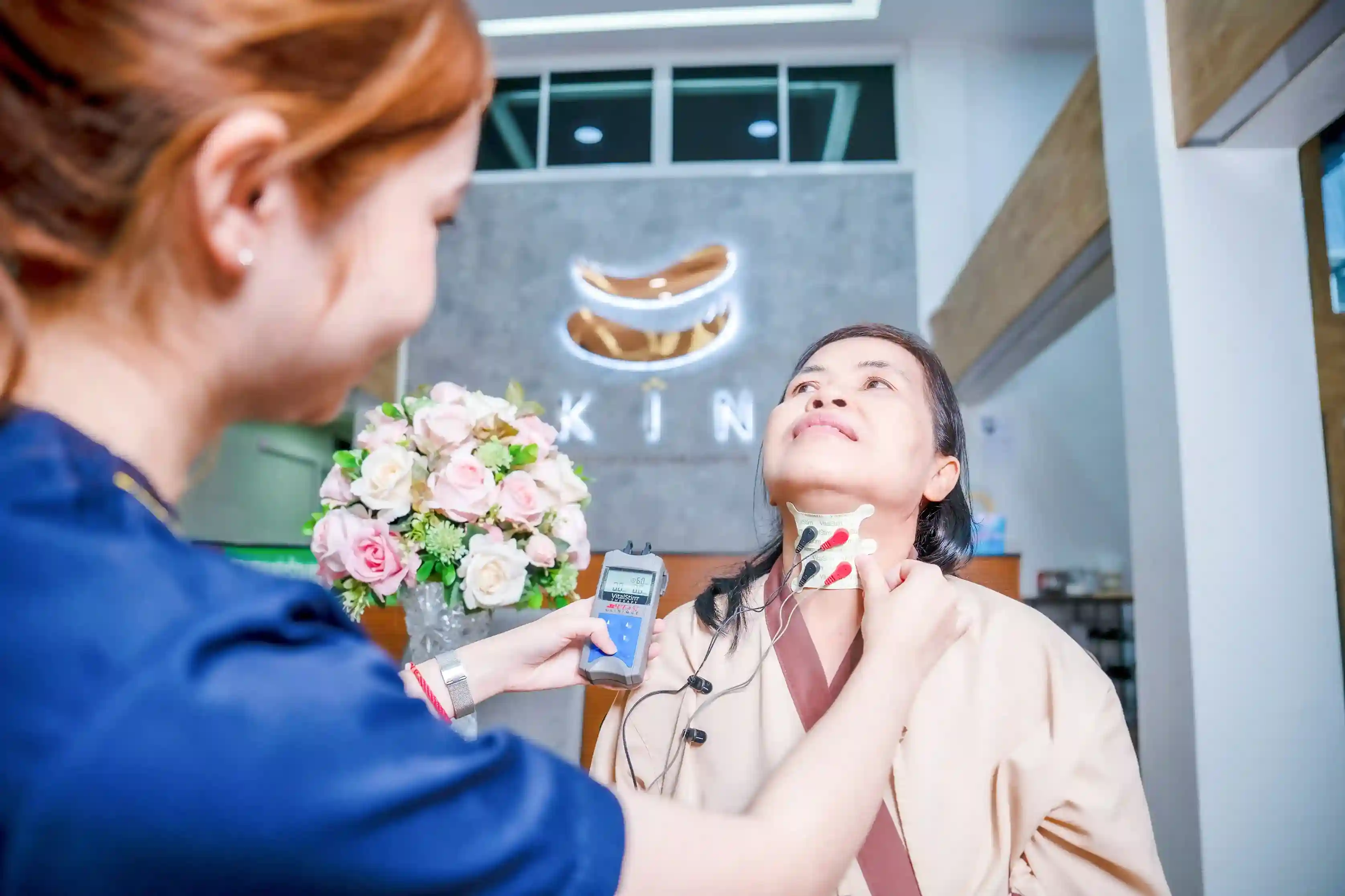
VitalStim — NMES Swallowing Rehabilitation
Suitable for: For stroke patients with dysphagia, which increases the risk of aspiration and pneumonia. Electrical stimulation is applied to the neck and throat muscles to support swallowing rehabilitation.
What Makes KIN Different: Supervised by an occupational therapist experienced in dysphagia, helping reduce the risk of aspiration and pneumonia, which are major causes of mortality among stroke patients.
Medical Team Across 5 Disciplines — Supervising Every Technology

Dr. Thanchanok Chuthamsathit, M.D. (“Dr. Aim”)
Sets the stroke rehabilitation system and standards for every branch — every technology begins with a physician assessment and is re-measured to plan.
Capt. Dr. Talerngkiat Jamulitrat
Vascular assessment and carotid ultrasound at KIN × CHARNN Vascular Center, Sukhumvit 107.
Dr. Chatraporn Wittayadamrongchai
Designs individualized rehabilitation programs, oversees the full technology plan and adjusts the program every 2 weeks.
Dr. Kritchatha Phuengcharoen
Diagnoses the location and extent of brain injury, sets treatment goals and supervises TMS and Cerebrolysin
Dr. Chanya Wuttikraikul
Manages underlying diseases, medications and complications, coordinates HBOT and helps prevent recurrent stroke.
Dr. Kamonchat Chokthanomsap
KIN’s in-house physician provides daily medical care and coordinates plans with the multidisciplinary team.
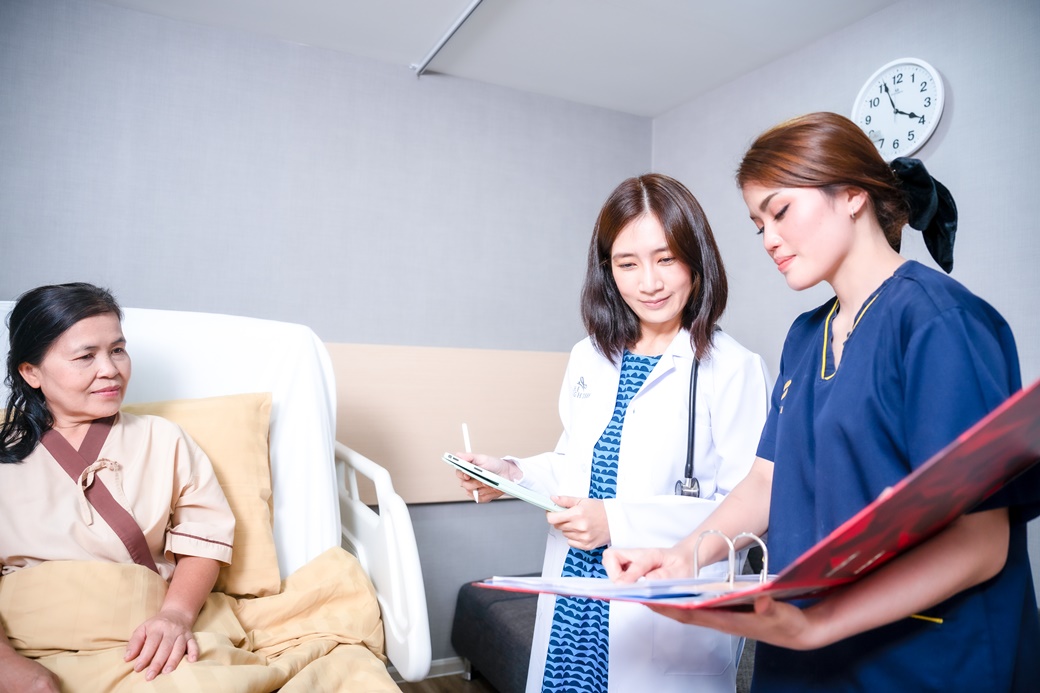
| Supporting Role | Responsibilities and Technologies Supervised |
|---|---|
| Physical Therapist (PT) | Gait, balance and muscle training; supervises the Aquatic Treadmill, PMS, Laser and Ultrasound. |
| Occupational Therapist (OT) | Trains daily activities and hand function and supervises VitalStim swallowing rehabilitation. |
| Registered Nurse | Provides continuous 24-hour care, monitors symptoms and immediately coordinates the team when changes occur. |
Comparison — KIN vs General Rehabilitation Centers
| Criteria | KIN Stroke Center | General Physical Therapy Clinic | HomeCare |
|---|---|---|---|
| TMS Brain Stimulation | Supervised by a Neurologist | Available at Some Centers | Not Available |
| HBOT | Combined with Physical Therapy | Available at Some Centers | Not Available |
| Aquatic Treadmill | Available at Lat Phrao | Not Available | Not Available |
| Hydrotherapy Pool | Available at Bearing | Not Available | Not Available |
| VitalStim Swallowing Therapy | Supervised by an OT | Available at Some Centers | Not Available |
| Case Conference for Every Case | Team of 5 Physicians | Not Available | Not Available |
| 24-Hour Care | Nurse + Nursing Assistant | Not Available | Family |
| Training Frequency | Every day (physical therapy once a day in every package; intensive 2–3 sessions/day when recommended by the physician) | 30–60 Minutes per Day | By Appointment |
| Continuing Care at Home | Connected with KIN HomeCare | Not Available | a physical therapist and nursing assistant at home. |
Recovery Stories from Real Clients
%20(1).webp "Real patient testimonial and stroke rehabilitation experience at KIN")
| patients with | Recovery Outcome |
|---|---|
| Khun Upar EP.10 | Returned to independent walking after TMS and continuous physical therapy. |
| Khun Phonlawat EP.7 | Returned to being himself and resumed independent daily living. |
| Khun Suraphon EP.6 | Successfully returned home and regained self-care ability. |
6 Branches Offering Brain Rehabilitation Innovations
TMS + HBOT + Aquatic Treadmill is available at theLat Phrao 71 | Hydrotherapy Pool + TMS is available at theBearing (Physical Therapy Hospital) | PMS + VitalStim + Laser Available at Every Branch: Ratchaphruek · Pattaya · Ramkhamhaeng 24 · Salaya | Continuing Home Care: KIN HomeCare Nationwide: 061-881-9399
Complimentary Assessment — No Charge
Our medical team recommends technologies suited to each patient’s condition.
Lat Phrao 71 Branch
Bearing Branch (Sukhumvit 107)
physical therapy hospital
Ratchaphruek Branch
Pattaya Branch
About the Author
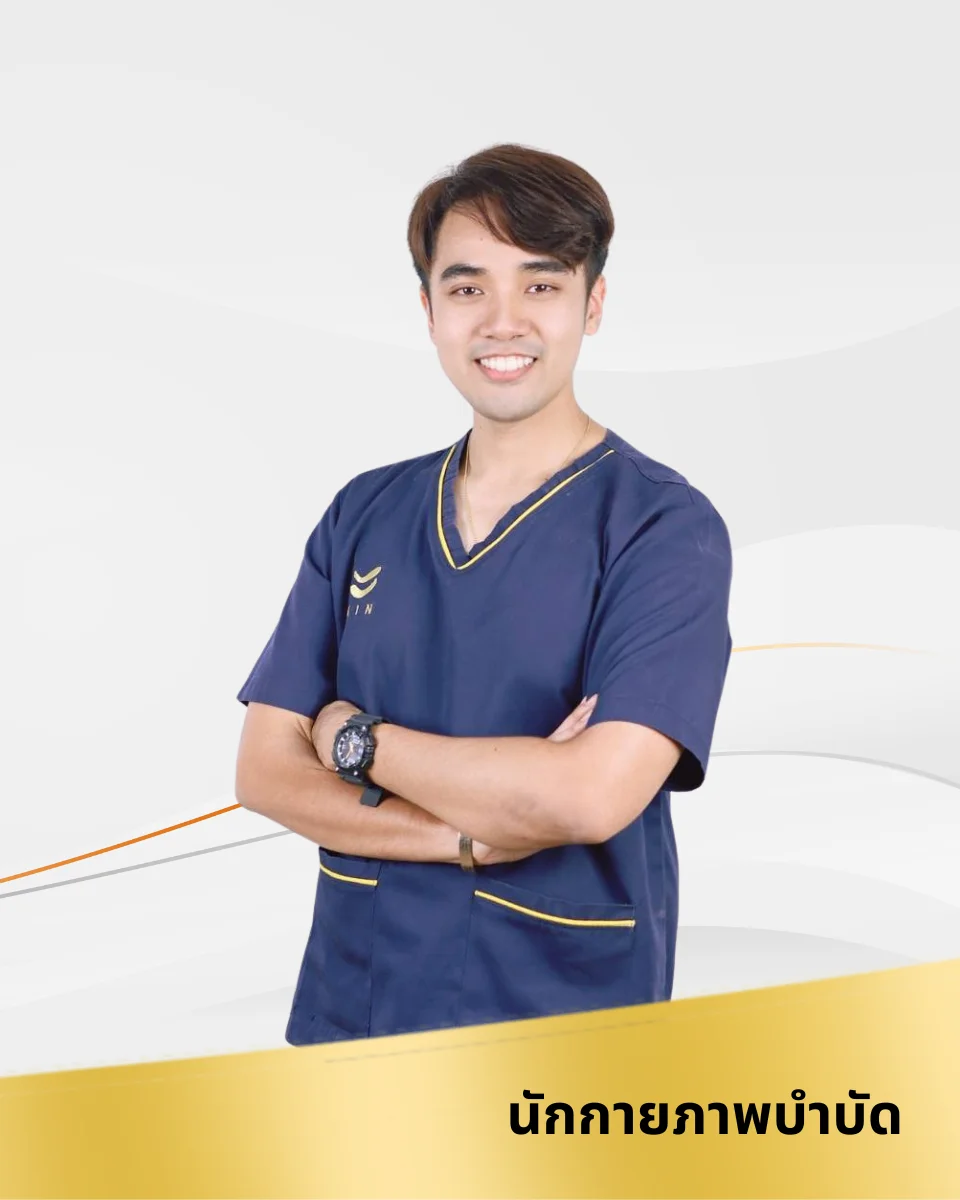
Written by PT. Anecha Horasat PT License No. 9685, Physical Therapist
Licensed Physical Therapist | Manager, KIN Rehabilitation & Homecare | Master’s Degree in Physical Therapy, Mahidol University
More than 10 years of experience in stroke and neurological rehabilitation, elderly care, gait training and balance rehabilitation.
Medically reviewed by Dr. Thanchanok Chuthamsathit, M.D. (“Dr. Aim”) Medical License No. 62998 — Medical Director, Rehabilitation Medicine
Last updated: June 2026
*This article is provided for educational purposes only and is not a medical diagnosis. Please consult a physician before making healthcare decisions.
Frequently Asked Questions — KIN Brain Rehabilitation Innovations
What brain rehabilitation technologies are available at KIN?
Is TMS brain stimulation suitable for every stroke patient?
How is HBOT different from standard oxygen therapy?
How is an Aquatic Treadmill different from a swimming pool?
Can VitalStim be used for patients who have difficulty swallowing saliva?
Can these technologies still be used after the 6-month Golden Period?
Is continuing care available after discharge from the center?
How can I book an assessment for brain rehabilitation technology at KIN?