
Sports Injuries: Leg Pain, Knee Pain, Heel Pain, and Patellar Tendon Tears
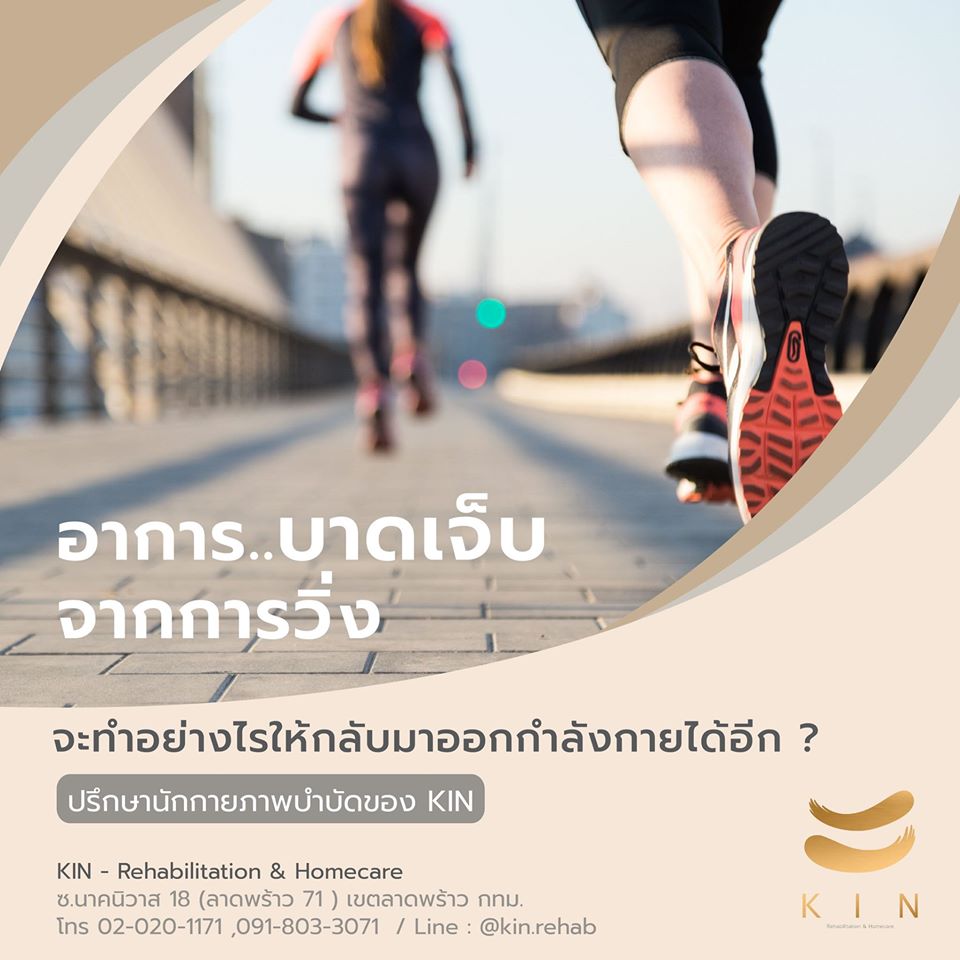
Causes of Sports Injuries
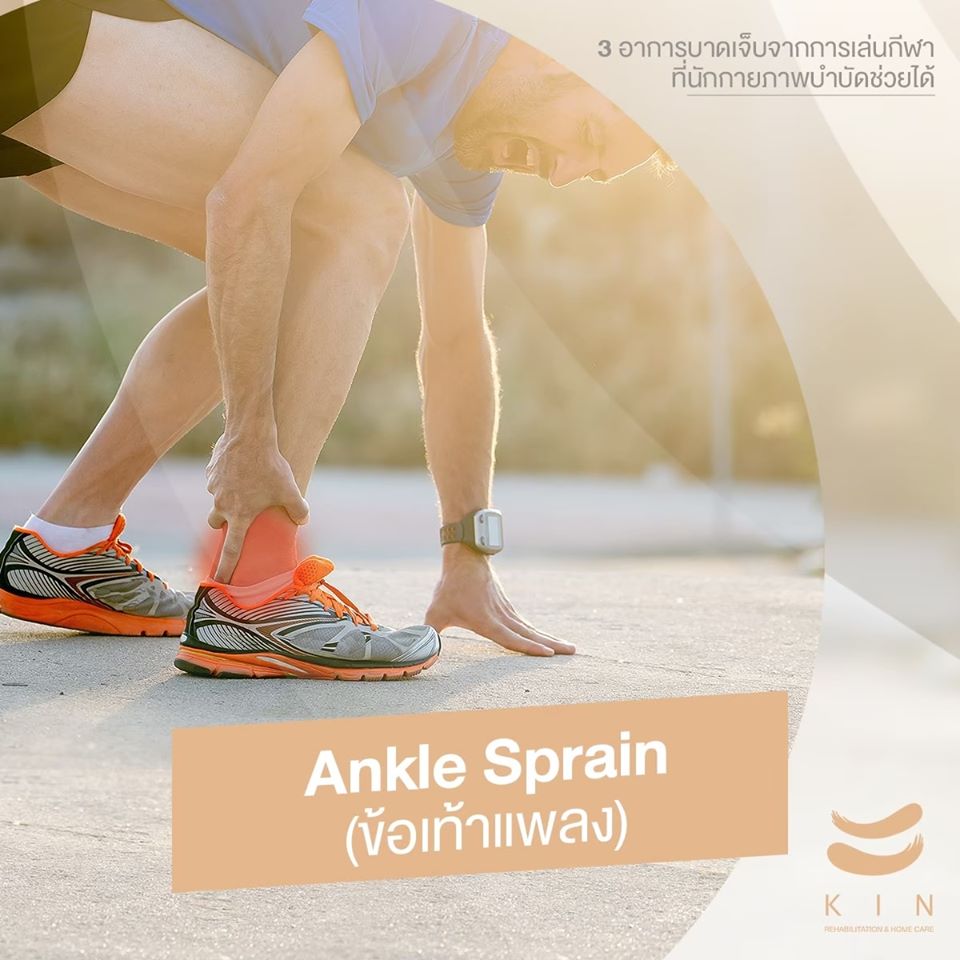
Sports injuries are common among recreational exercisers, amateur athletes, and professional athletes. Repetitive movements specific to each sport can cause inflammation or varying degrees of muscle and tendon tears. General soreness may also occur after exercise due to the accumulation of metabolic waste products. Common problems include leg pain, knee pain, heel pain, plantar fasciitis, patellar tendon injuries, and muscle tears.
People who have not trained or adequately prepared their muscles before exercise are at greater risk. Insufficient muscle strength may cause muscle fibers to tear during repeated contractions, while poor flexibility can reduce movement efficiency and increase the likelihood of injury.
Runners and cyclists rely heavily on the lower-limb muscles. Commonly injured structures include the quadriceps, hamstrings, gastrocnemius muscles, and the patellar tendon around the kneecap.
Symptoms and Course of the Injury
- Acute-Stage Symptoms
During the first 1–3 days, pain, swelling, redness, and warmth may occur. Blood vessels in the injured area may be damaged, triggering the release of substances that cause inflammation and pain.
- Chronic-Stage Symptoms
Chronic symptoms may persist from six weeks to six months and may come and go. Inflammation can recur when activity resumes after a period of rest. If the body repairs the injured muscle or tendon completely, normal function can return. Incomplete healing, scar tissue, or insufficient load-bearing capacity in newly formed tissue can lead to reinjury. Prolonged inactivity may also reduce muscle strength and muscle-fiber size, affecting future performance.
Treatment
- Self-Care
- Apply a cold pack for 15 minutes to reduce pain and inflammation.
- Stretch the muscles before and after every exercise session.
- Warm up and cool down every time to prepare the body before activity and gradually reduce exertion afterward.
- Physical Therapy Treatment
- Therapeutic ultrasound may support the healing response, reduce pain, improve blood circulation, and promote tissue adaptation. It can be used during both acute and chronic stages when clinically appropriate.
- High-Intensity Laser Therapy may reduce pain and inflammation and stimulate tissue-repair processes.
- Electrical stimulation may help relax tight muscles or support neuromuscular re-education and strength development when combined with exercise.
- Therapeutic exercise is prescribed by a physical therapist after a specific assessment identifies movement problems or impaired body mechanics. The program targets individual muscles, improves balance, and enhances joint proprioception.
- Other Treatments
- Medication
- Surgery
- Acupuncture
Preventing Reinjury
Effective physical therapy can begin at any stage, from acute to chronic. Rehabilitation at each stage is important because the body adapts and tissue structure changes over time. Treatment and rehabilitation techniques should therefore be selected according to the stage of injury, symptoms, and individual goals.
Effective strengthening exercises should address the individual problem and the patient’s specific functional demands. This is essential for preventing long-term reinjury.



Contact Us
For inquiries and updates, follow KIN - Rehabilitation & Homecare.

Line
@Kinrehab

Call
091-803-3071
Call
095-884-2233