
Stress and Anxiety Caused by Chronic Pain (Anxiety Disorder)

Causes of This Condition
Approximately 30–50% of patients with chronic pain may develop emotional disorders such as stress, depression, or anxiety. Chronic pain is pain that persists for more than three months and may be intermittent or continuous. In many cases, the exact cause cannot be clearly identified.
It may result from an underlying health problem or a previous accident. The pain can interfere with daily life and normal activities and may lead to sleep problems, stress, and changes in eating habits.
Symptoms and Course of the Condition
- Physical Symptoms
- Irregular heartbeat or palpitations
- High blood pressure
- Difficulty breathing
- Frequent urination
- Excessive sweating
- Irritable bowel symptoms or diarrhea
- Psychological Symptoms
- Obsessive thoughts or compulsive behavior
- Pessimistic thinking
- Low self-confidence
- Emotional Symptoms
- Feeling tense or overly excited
- Depressed mood
- Irritability
- Becoming easily discouraged or bored
Course of the Condition
If the underlying chronic pain is not properly managed, stress and anxiety may persist. Over time, these symptoms may progress to depression or other physical symptom disorders, such as persistent somatoform pain disorder or functional pain syndrome.
Treatment
- Self-Care
- Use stress-reduction techniques such as enjoyable hobbies, exercise, muscle relaxation, meditation, positive thinking, and journaling.
- Seek support from a trusted person or counselor when problems arise.
- Reduce pain with warm or cold compresses and gentle muscle stretching.
- Physical Therapy Treatment
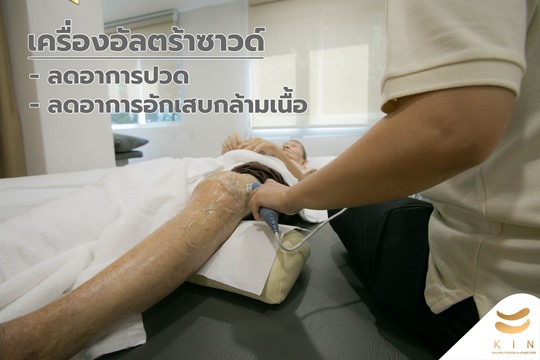
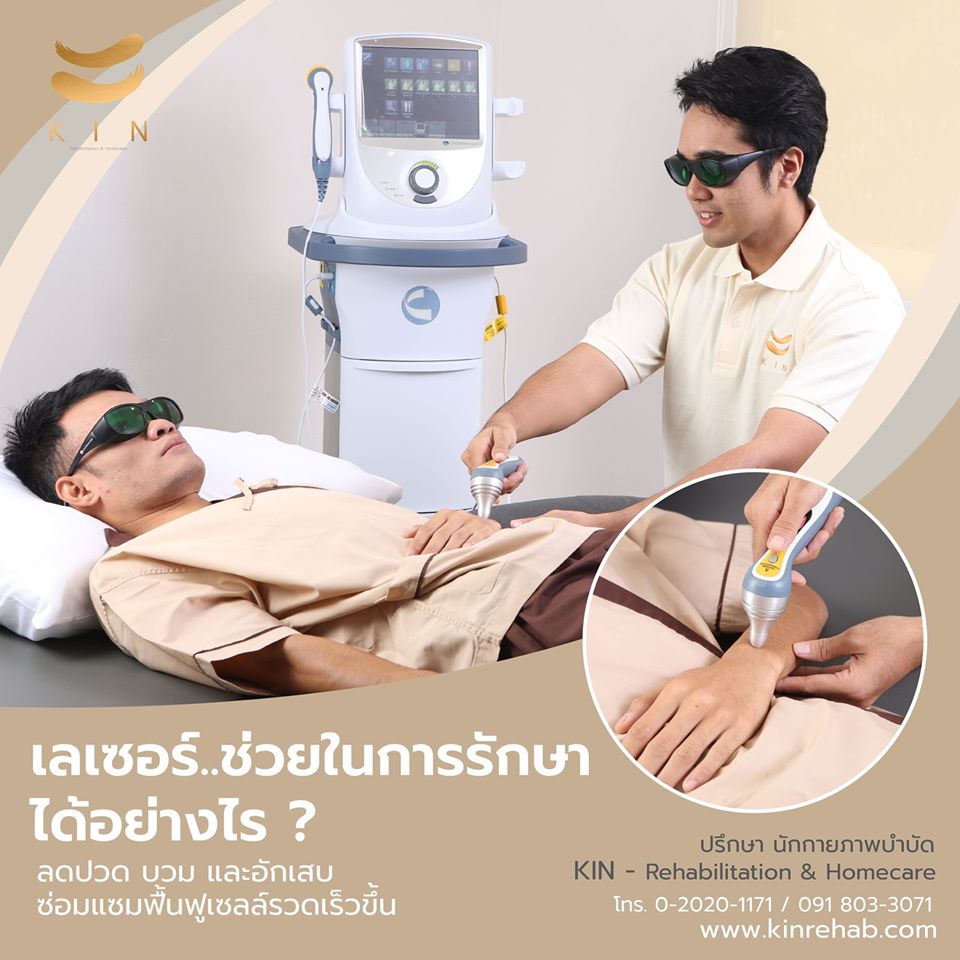
Physical therapy focuses on reducing chronic pain through appropriate equipment and techniques. As pain decreases, patients may feel more comfortable and relaxed, which can also help relieve stress. Treatment may include:
- Therapeutic ultrasound, electrical stimulation, or pain-relief laser therapy
- Exercise and muscle stretching
- Breathing exercises to relieve pain and reduce stress
- Other Treatments
- Antidepressant medication
- Talk therapy, also known as psychotherapy
Preventing Recurrence
- After experiencing a serious or traumatic situation, seek medical care promptly to reduce the risk of developing a stress-related disorder.
- Develop self-awareness and mindfulness, and find stress-management methods that suit you.
- Choose relaxing hobbies such as reading or listening to music.
- Get adequate sleep and eat a balanced, nutritious diet.
- Create a suitable work and living environment to help reduce stress and chronic pain.
Information | Schedule a Site Visit
|
Lat Phrao 71 Branch
|
Sukhumvit 107 Branch
|
|
Pattaya Branch
|
Ratchaphruek Branch
|


Contact Us
For inquiries and updates, follow KIN - Rehabilitation & Homecare.

Line
@Kinrehab

Call
091-803-3071
Call
095-884-2233