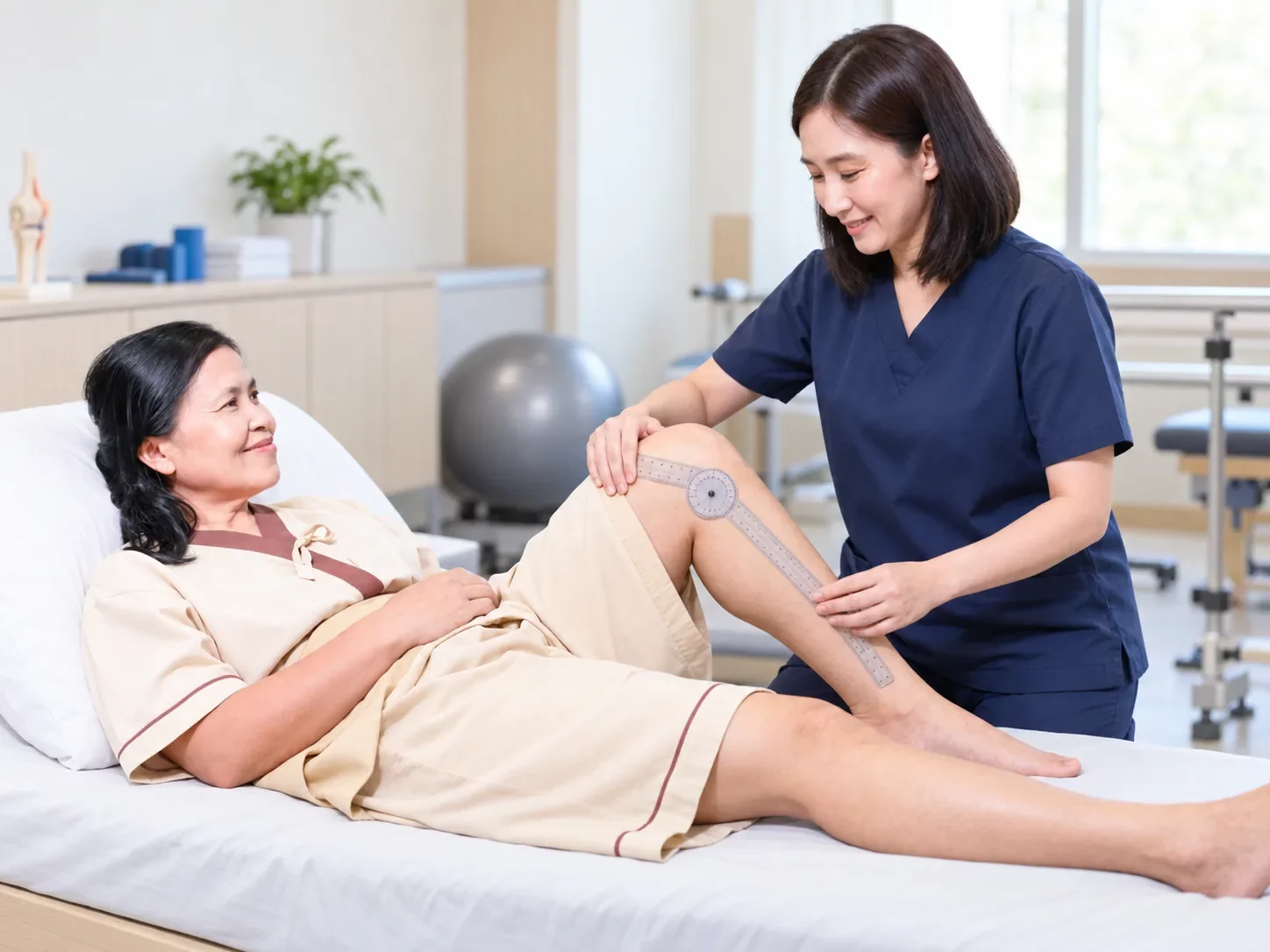
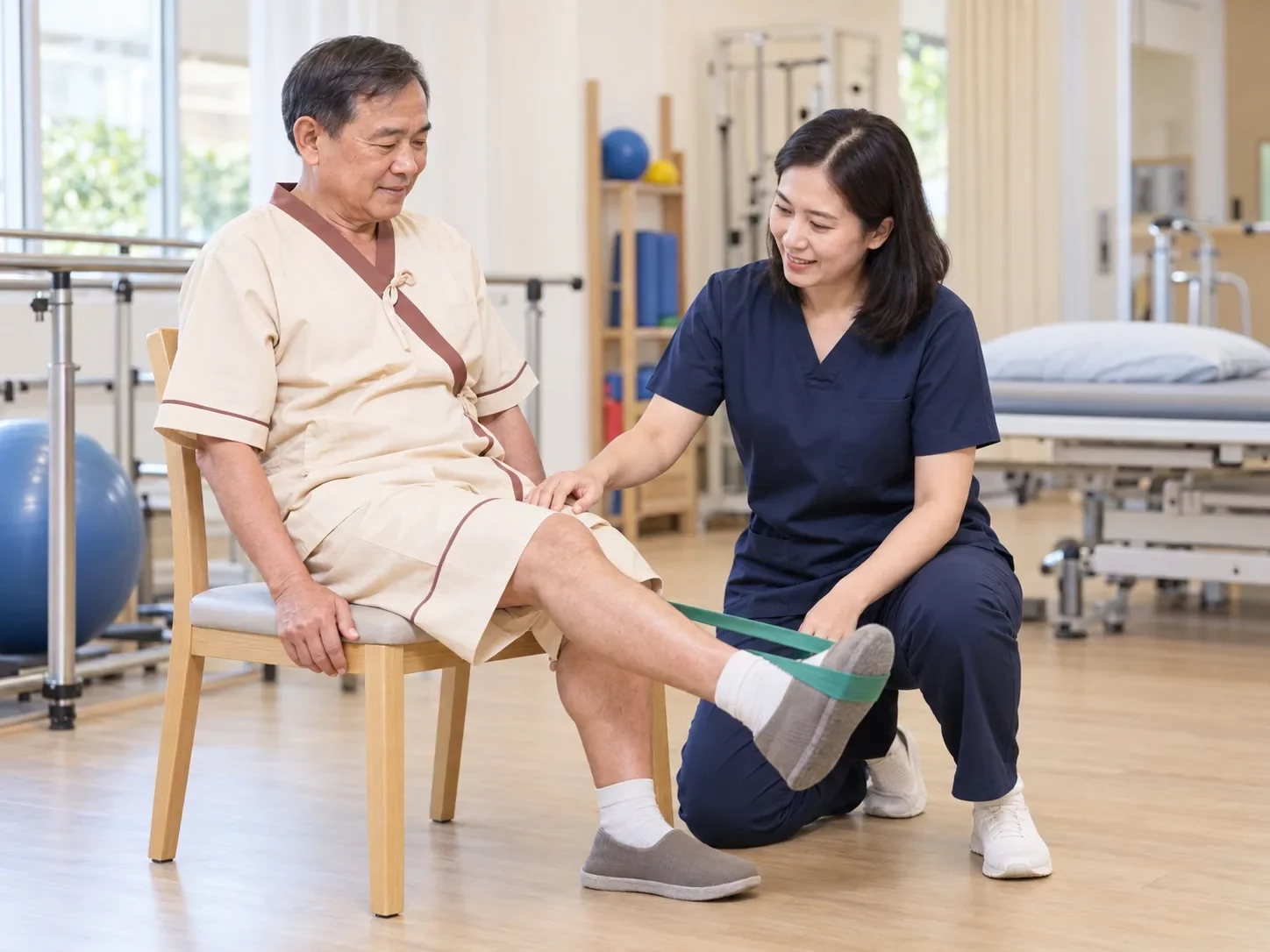
Knee Pain Can Be Managed with Physical Therapy
Knee pain may result from injury, degeneration, inflammation, improper movement patterns, excess body weight, or underlying medical conditions. Observing “where the pain occurs + when it occurs” can help guide the initial assessment. A personalized physical therapy program may reduce pain, improve knee stability, and in some cases help avoid or delay surgery after professional evaluation.
Common Causes
Injury / Trauma: meniscal tear, ligament inflammation or tear, patellar dislocation
Knee Osteoarthritis (OA): cartilage wear, more common after age 50
Joint Inflammation: gout, infection, or bursitis
Improper or Excessive Loading: prolonged kneeling or squatting, frequent stair use, or high-impact sports
Body Weight / Underlying Conditions: excess body weight, rheumatoid arthritis, or SLE
Warning signs requiring prompt medical attention include severe pain, redness, warmth, marked swelling, inability to bear weight, a locked knee, fever, or symptoms following significant trauma.
What the Location of Knee Pain May Indicate
- Front of the Knee / Around the Kneecap: patellofemoral irritation or patellar/quadriceps tendon problems
- Inner Knee: medial OA, medial meniscal tear, or medial ligament injury
- Outer Knee: lateral meniscal problems or ITB syndrome
- Deep Within the Joint: OA, joint inflammation, or joint effusion
- Back of the Knee: Baker’s cyst or posterior knee tendon/muscle problems
- Professional assessment helps identify the likely cause and supports a more accurate treatment plan.
Distinguishing General Knee Pain from Knee Osteoarthritis
General Knee Pain
Often related to overuse or impact, improves relatively quickly with rest, causes temporary movement limitation, and may not involve joint noises.
Knee Osteoarthritis
Pain may occur during walking, prolonged standing, or stair use. Stiffness after sitting, joint noises, mild swelling, reduced range of motion, or gradual deformity may develop over time.
What Does the Assessment Include?
Assessment begins with a medical history, movement examination, and specific clinical tests. X-ray may be considered to assess joint space and bone changes, while MRI may be considered when a meniscal or ligament tear is suspected. These findings help define treatment goals and select suitable physical therapy techniques.
How Physical Therapy May Help
- Reduce pain and inflammation and support a safer return to daily activities
- Improve strength and flexibility around the knee → increase joint stability and reduce stress on the joint surface
- Reduce stiffness and improve knee flexion and extension
- Support recovery after injury or surgery and a safe return to activity
- Help reduce long-term complications such as impaired gait or joint deformity
- Stair tip: “Up with the stronger leg, down with the affected leg.”
Personalized Knee Pain Physical Therapy Program
5-session program | Approximately 60 minutes per session | Valid for 3 months
- Assessment by a physical therapist (first session)
- Laser Therapy ~10 minutes
- Stretching / Manual Technique ~15 minutes
- Hot Pack / Cold Pack ~15 minutes
- Ultrasound ~10 minutes
- Personalized Exercise Program ~10 minutes (includes a home exercise program)
Please inform the care team if you are pregnant, have a cardiac pacemaker, an open wound, an acute infection, or cancer in the treatment area. Some procedures may not be appropriate and require professional assessment first.
Self-Care During Rehabilitation
- Maintain a healthy body weight and consume adequate protein to support muscle mass
- Avoid positions that heavily load the knee, such as deep squatting, kneeling, or sitting very low
- Choose low-impact exercise such as level walking, cycling, or swimming
- Apply cold when pain, swelling, or inflammation is present, and warmth when muscles feel tight
- Wear supportive footwear to reduce impact
- Strengthen the thigh, hip, and core muscles to improve knee stability
Why Choose Us
Multidisciplinary Team
Rehabilitation medicine and licensed physical therapy professionals provide structured, transparent care based on clinical indications.
Personalized Plan
The training program is adapted to real-life daily activities, with progress tracked through measurable outcomes.
Comprehensive Treatment Options
Laser, ultrasound, manual therapy/stretching, exercise programs, and ergonomics guidance
Book an Initial Assessment
Send your symptoms or test-result images to the professional team for initial screening and a suitable rehabilitation plan before starting the program.
Elderly Care and Patient Rehabilitation Promotion
Stroke and postoperative rehabilitation services are available both at the center and at home.
Read More
Rehabilitation Medicine and Physical Therapy Promotion
Comprehensive rehabilitation medicine, physical therapy, and occupational therapy services
Read More
Anti-Aging Medicine Clinic Promotion
Skin and wellness care with vitamin drip services designed to support overall balance
Read More