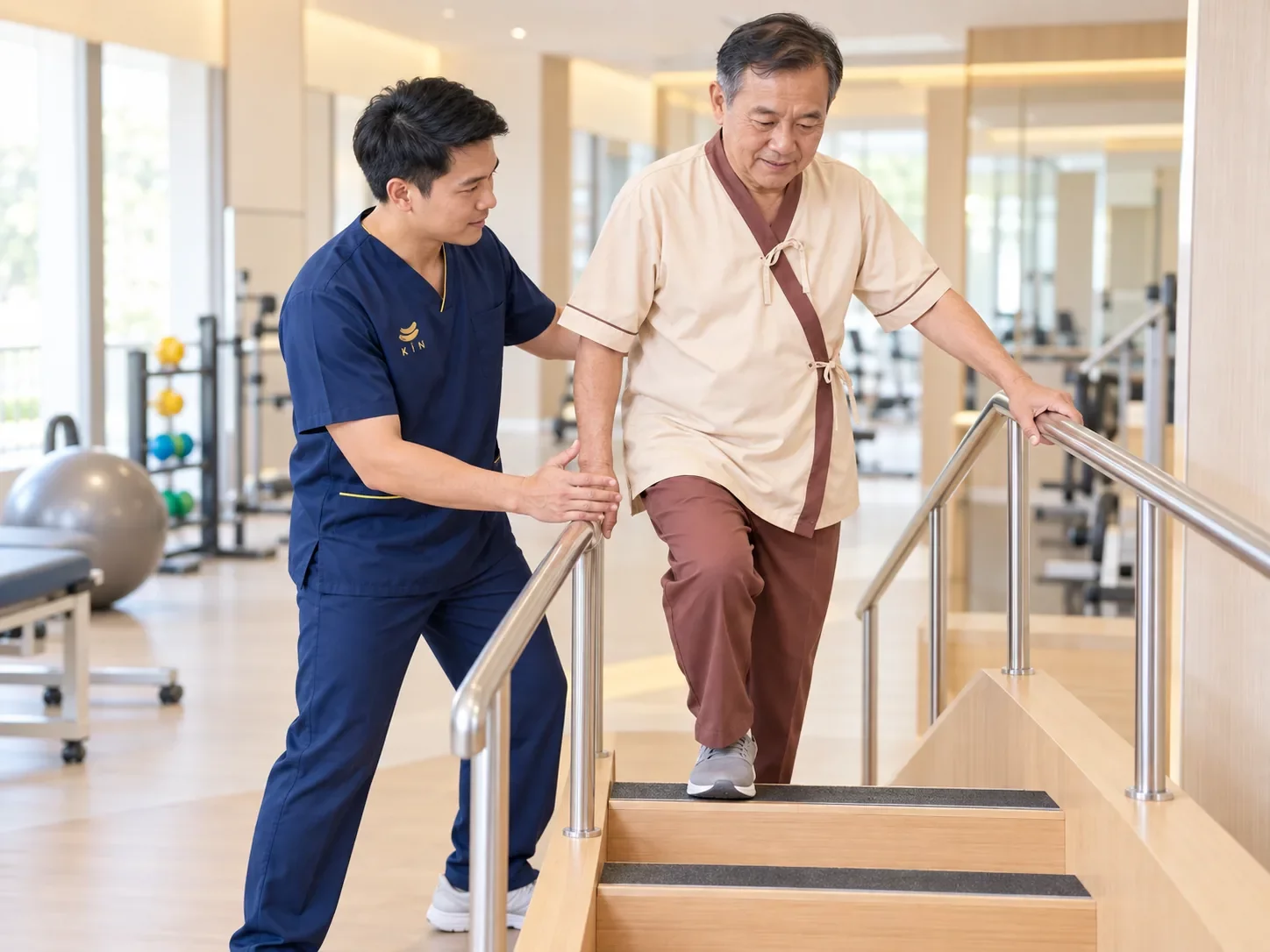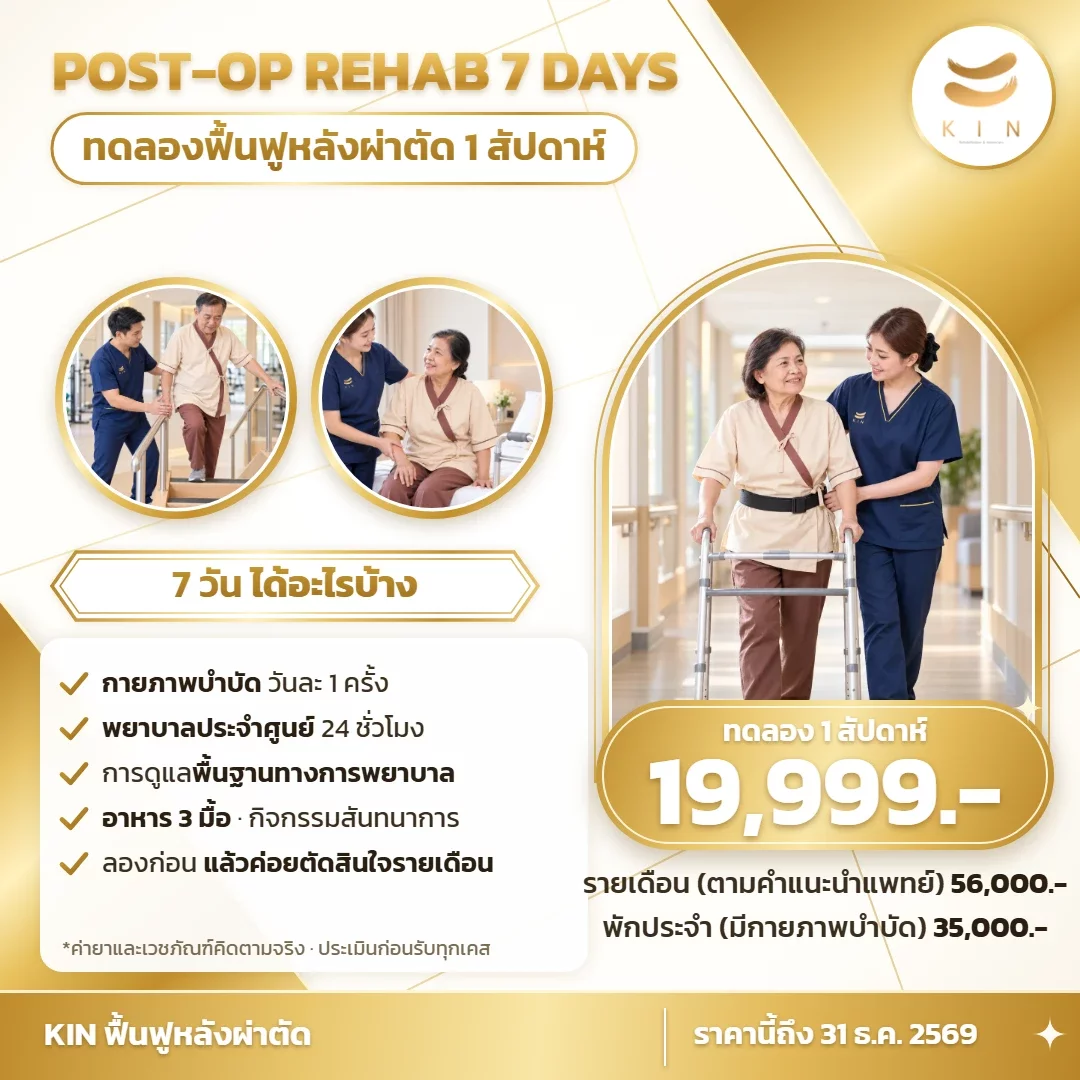
• Basic nursing care
• Two rehabilitation sessions per day
• Three meals per day
• Recreational activities
• On-site nursing support 24 hours a day
Available from today until December 31, 2026
Postoperative Care
Six-step care guide, estimated recovery periods, and rehabilitation timeline
Six Basic Postoperative Care Steps
Compact Table| Step | Topic | Details |
|---|---|---|
| 1 | Surgical Wound Care | Change dressings as instructed, keep the wound clean, and watch for signs of infection. |
| 2 | Manage Pain and Side Effects | Take prescribed pain medicine, use cold packs when appropriate, and get adequate rest. |
| 3 | Begin Early Mobilization When Medically Appropriate | Practice deep breathing and gentle ankle or wrist movements as advised to help reduce complications. |
| 4 | Physical Therapy | Use individualized exercises and suitable rehabilitation modalities when prescribed by the clinical team. |
| 5 | Set Goals and Review Progress | Set short-term and long-term functional goals, then adjust the plan according to progress. |
| 6 | Emotional Support | Provide encouragement, social support, and psychological consultation when needed. |
Typical Recovery Periods by Type of Surgery
Tone CardsMinor or Uncomplicated Surgery
Examples may include hernia repair, minor abdominal procedures, and selected skin procedures.
Approximately 7–10 days
Laparoscopic, Small-Joint, or Eye Procedures
Examples may include laparoscopic surgery, wrist or finger procedures, cataract surgery, and vision-correction procedures.
Approximately 2–3 weeks
Complex or Major Surgery
Examples may include major joint or spine surgery, heart or lung surgery, and selected cancer operations.
Approximately 4–6 weeks
Complex or Major Surgery
Examples may include major joint or spine surgery, heart or lung surgery, and selected cancer operations.
Approximately 3–6 months
Six-Step Rehabilitation Process
Compact Timeline- 1
Clinical Assessment
The medical team reviews the history and performs an examination.
- 2
Rehabilitation Planning
The multidisciplinary team defines goals and selects suitable approaches.
- 3
Begin Rehabilitation
Physical therapy, occupational therapy, and daily-living practice are provided as appropriate.
- 4
Review Progress
The multidisciplinary team monitors progress and adjusts the plan.
- 5
Work Toward Individual Goals
Support the patient in returning to daily activities as independently, safely, and confidently as possible
- 6
Safe Discharge Home
Prepare for discharge with an appropriate home plan and follow-up support.
Our Branches
Services at KIN Stroke Rehabilitation Center
Elderly Care Promotion Stroke Rehabilitation Postoperative Rehabilitation
Promotions for stroke rehabilitation, postoperative rehabilitation, and elderly care, available at the center and at home....
Rehabilitation Medicine and Physical Therapy Clinic Promotion
Promotions for rehabilitation medicine, stroke rehabilitation, postoperative rehabilitation, physical therapy, occupational therapy, and hydrotherapy....
Customer Experiences (Testimonials)
Interviews and reviews from patients and family members, sharing their experiences, encouragement, and impressions of the service.
Awards and Recognition
Awards and recognition received by KIN for rehabilitation service standards and trust from partner institutions.
Postoperative Care
Compassion, clear communication, and appropriate clinical care are central to postoperative recovery.
Overview of Postoperative Care
After major surgery, Postoperative Care is an important phase of recovery, especially after discharge from hospital. Appropriate wound care, medication management, nutrition, mobility training, and monitoring can reduce avoidable complications and support a safe return to daily activities.

Why Postoperative Care Matters
The period after hospital discharge can still carry a risk of complications. When medically appropriate, early Physical Therapy and safe mobilization may help reduce deconditioning and selected postoperative complications. Emotional support from family members can also reduce anxiety and help the patient feel supported.
.jpg)
Early mobilization may include deep-breathing exercises, supported coughing, ankle movements, and repositioning. Timing varies by procedure and medical condition and should follow the surgeon’s or rehabilitation team’s instructions.
Post-Discharge Care Guidelines

- Keep the Surgical Wound Clean: Follow the clinician’s instructions for dressing changes and wound hygiene, and seek advice for redness, swelling, discharge, fever, or worsening pain.
- Manage Pain and Side Effects: Take medication only as prescribed, monitor fatigue, nausea, or other unexpected symptoms, and contact the healthcare team when concerned.
- Encourage Safe Mobilization: Begin gentle movements and breathing exercises at the time and intensity recommended by the medical team.
- Physical Therapy and Rehabilitation Exercise: Use an individualized program. Rehabilitation modalities may be considered when clinically appropriate and prescribed by qualified professionals.
- Set Recovery Goals and Monitor Progress: Set short- and long-term goals with the medical and rehabilitation team, and update them according to progress.
- Support Emotional Well-Being: Offer encouragement, social connection, and access to psychological support when needed.
KIN Comprehensive Rehabilitation Services
KIN provides multidisciplinary rehabilitation and elderly care services for postoperative patients and people recovering from stroke, subject to clinical assessment and individualized planning.
Neurology Specialists
Rehabilitation Medicine Physicians
Geriatric Medicine Physicians
24-Hour Registered Nursing Team
Physical Therapists & Occupational Therapists
Psychologists & Traditional Chinese Medicine Practitioners
Sports Scientists & Dietitians

Rehabilitation Technology and Equipment
- Transcranial Magnetic Stimulation (TMS): May be considered as an adjunct for selected patients after medical assessment; outcomes vary and it does not replace standard rehabilitation.
- Peripheral Magnetic Stimulation (PMS): May be used as an adjunct to stimulate peripheral nerves or muscles in selected cases after professional assessment.
- Hyperbaric Oxygen Therapy (HBOT): Is used only for recognized medical indications after physician assessment and is not a routine substitute for postoperative rehabilitation.
- Laser Therapy & Hydrotherapy: May be included when clinically appropriate to support pain management or exercise with reduced weight bearing.

KIN Supports Your Rehabilitation Journey
Appropriate postoperative support can help reduce avoidable complications and support a safe return to daily activities. For patients needing coordinated physical and emotional support, KIN can provide multidisciplinary care throughout the rehabilitation process.